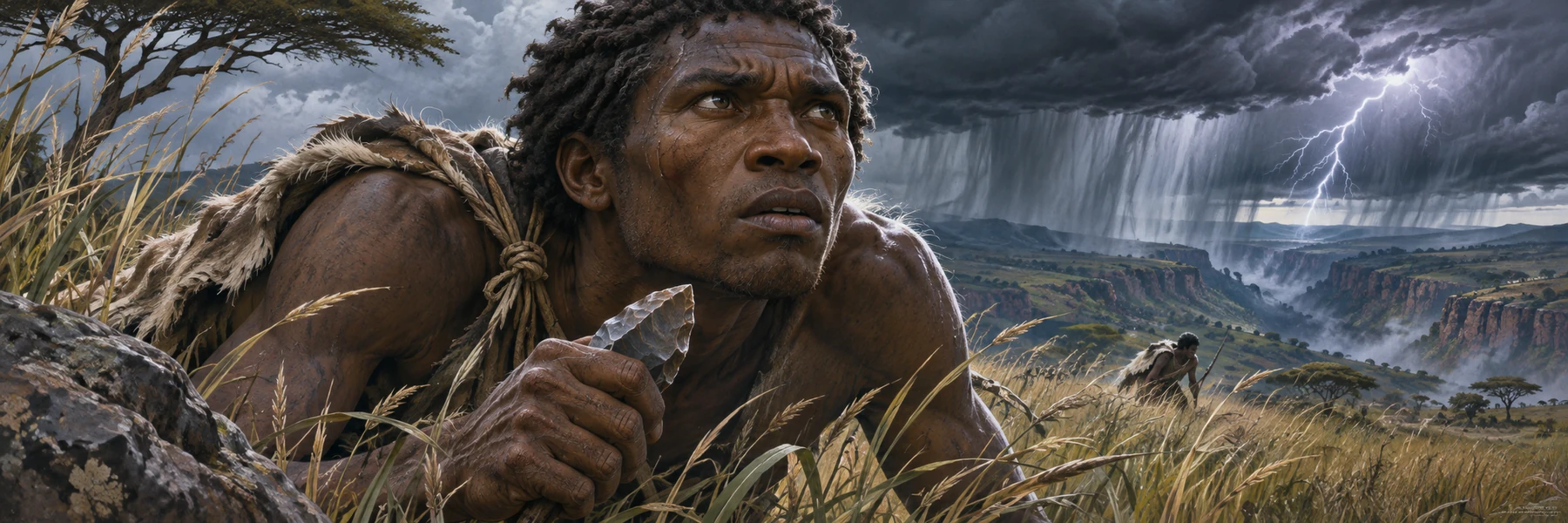
Early Homo sapiens
Fossil evidence places early members of our species in Africa hundreds of thousands of years ago.
A visual journey through history. Use the bar above to jump across time, then open moments for deeper exploration.
Fossil evidence places early members of our species in Africa hundreds of thousands of years ago.
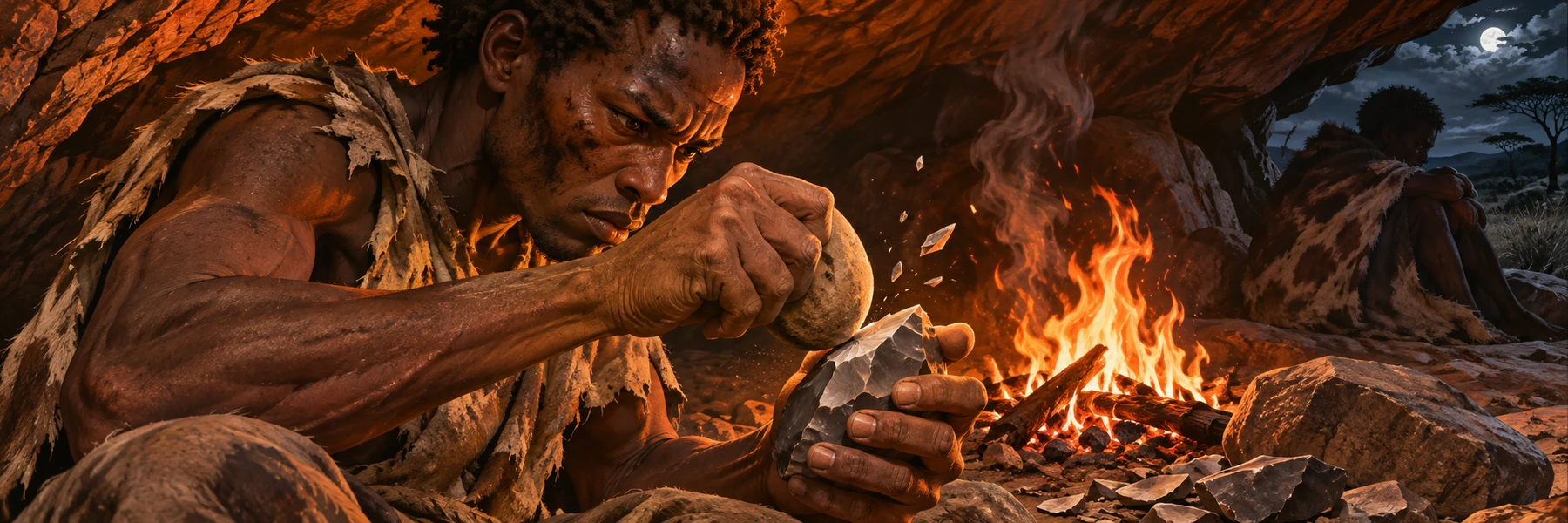
Controlled fire and increasingly specialized tools transformed food preparation, protection, and social life.

New dating of fossils from Java indicates Homo erectus survived there until roughly 108,000–117,000 years ago.
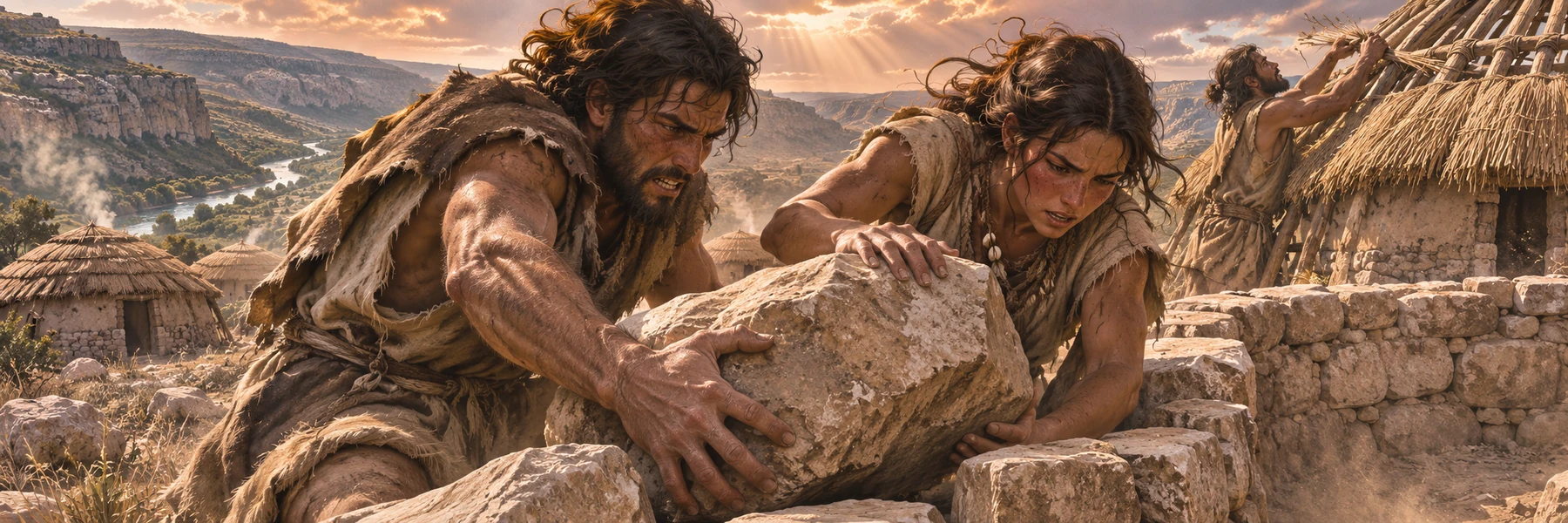
In several regions, people increasingly combined hunting and gathering with more settled lifeways and food production.
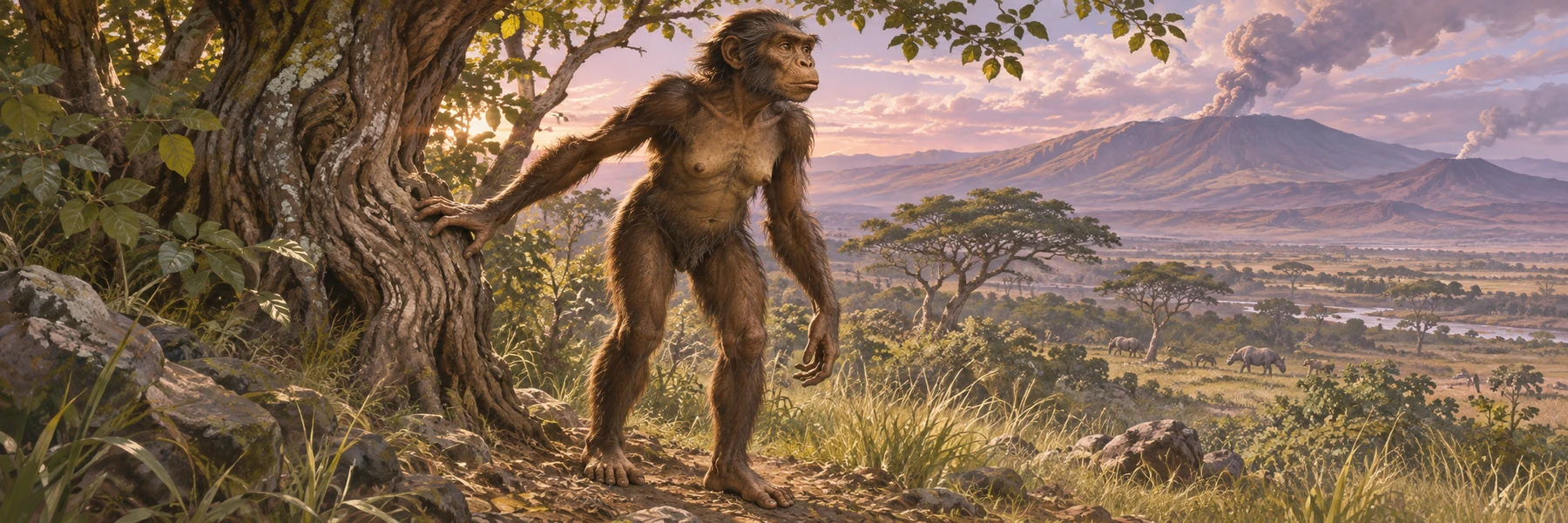
The fossil skeleton known as Lucy became one of the most famous windows into early human evolution.

Fossils from Morocco pushed evidence for early Homo sapiens far deeper into Africa’s past.
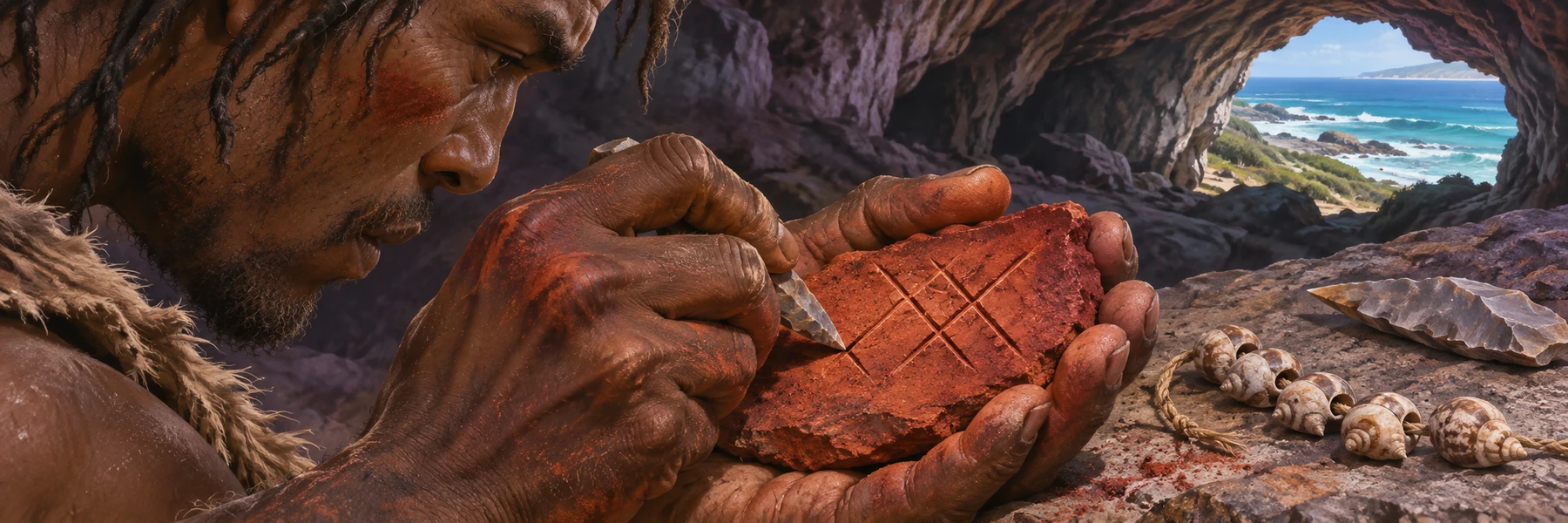
Engraved ochre, shell beads, and toolmaking evidence reveal complex symbolic behavior in southern Africa.
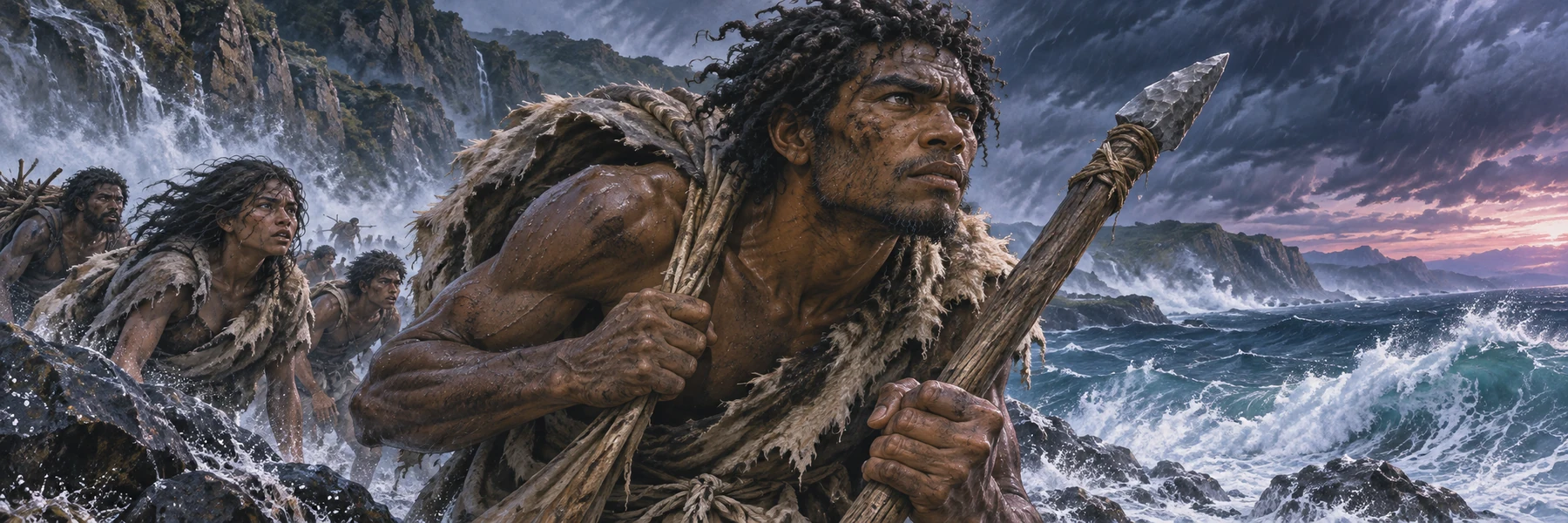
Homo sapiens populations spread into new regions, interacting with other human groups and adapting to varied environments.

Ice sheets expanded, sea levels fell, and human communities adapted to colder and drier environments.
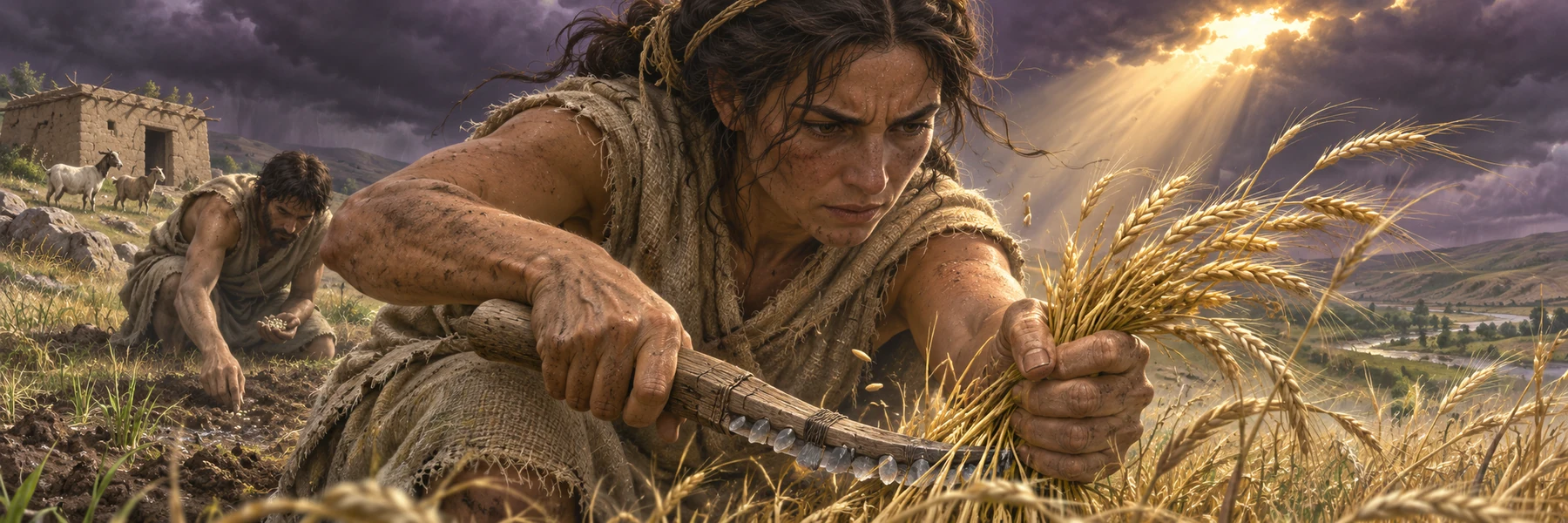
Domestication of plants and animals developed independently in multiple regions and helped support larger settlements.
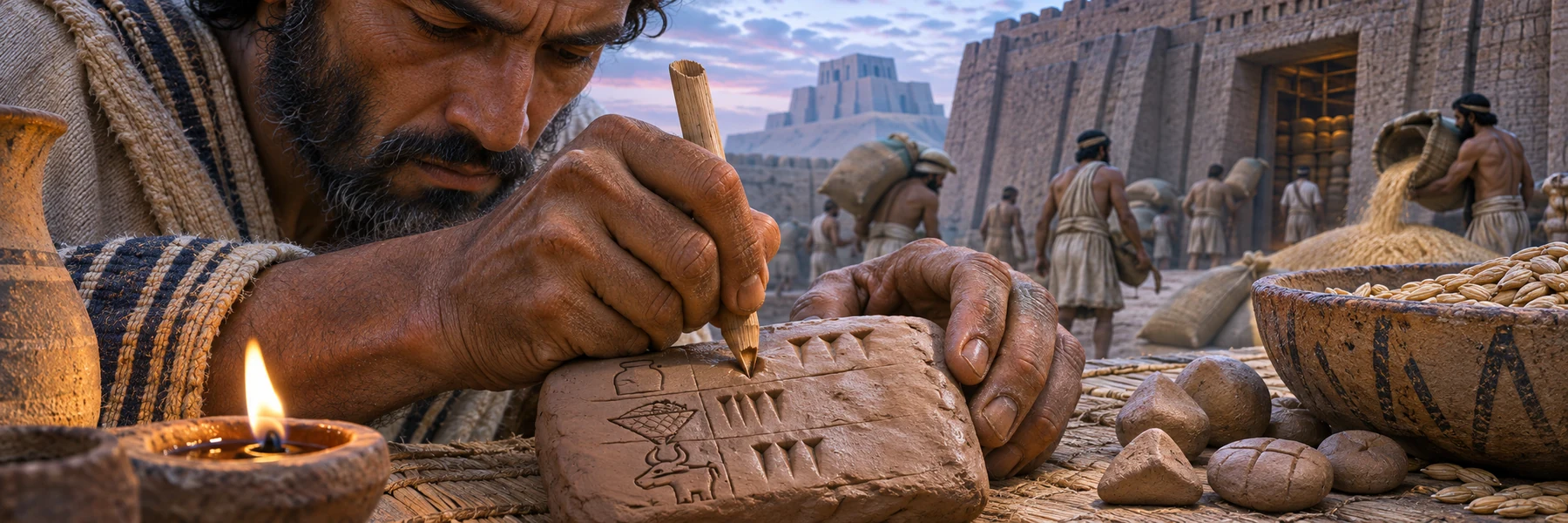
Early writing systems developed to record transactions, institutions, stories, and political power.
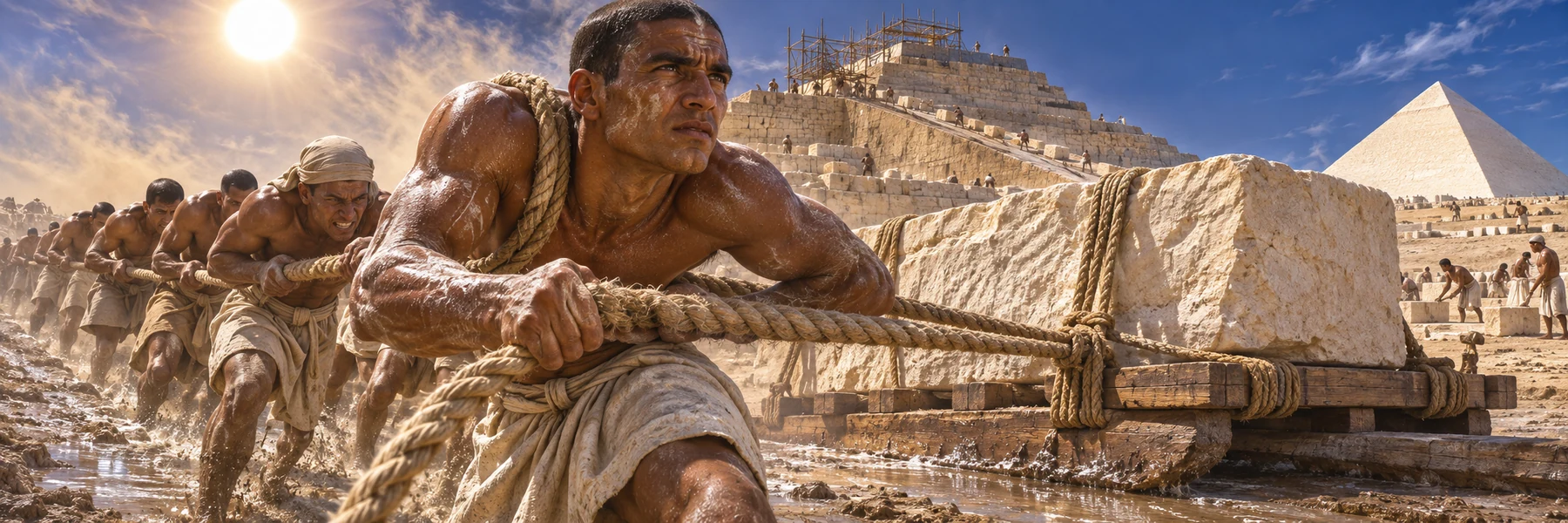
Monumental building in Old Kingdom Egypt reflected centralized authority, religious beliefs, labor organization, and engineering.
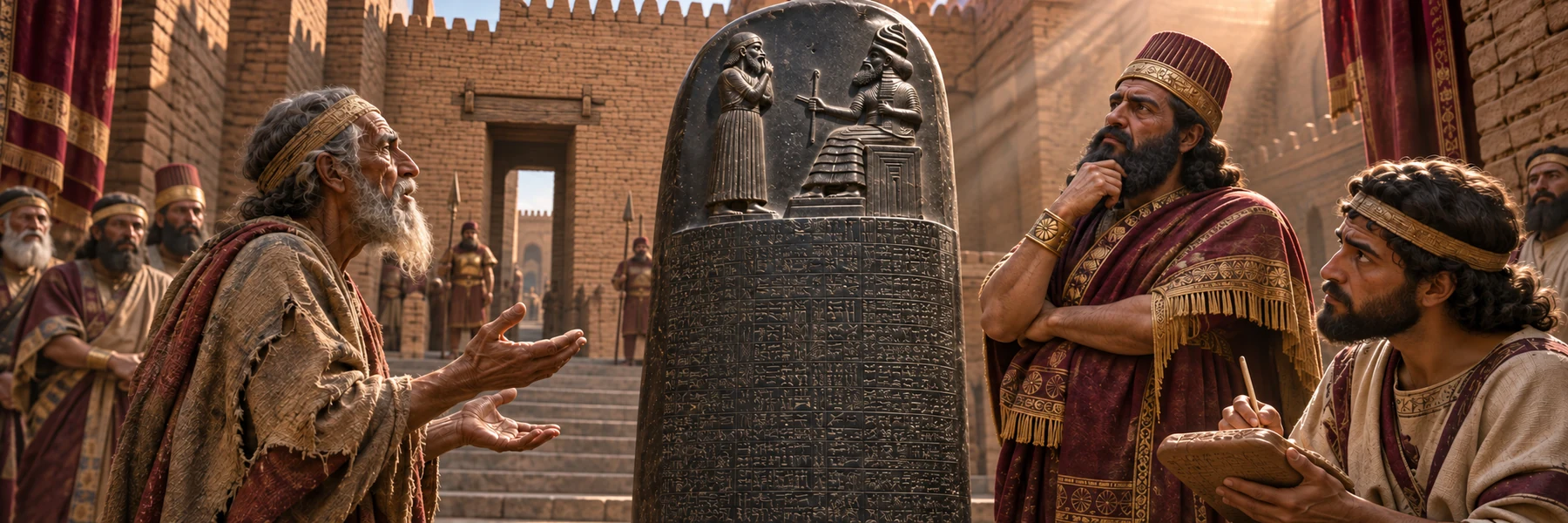
The famous Babylonian stela preserves a large collection of royal legal judgments and principles.
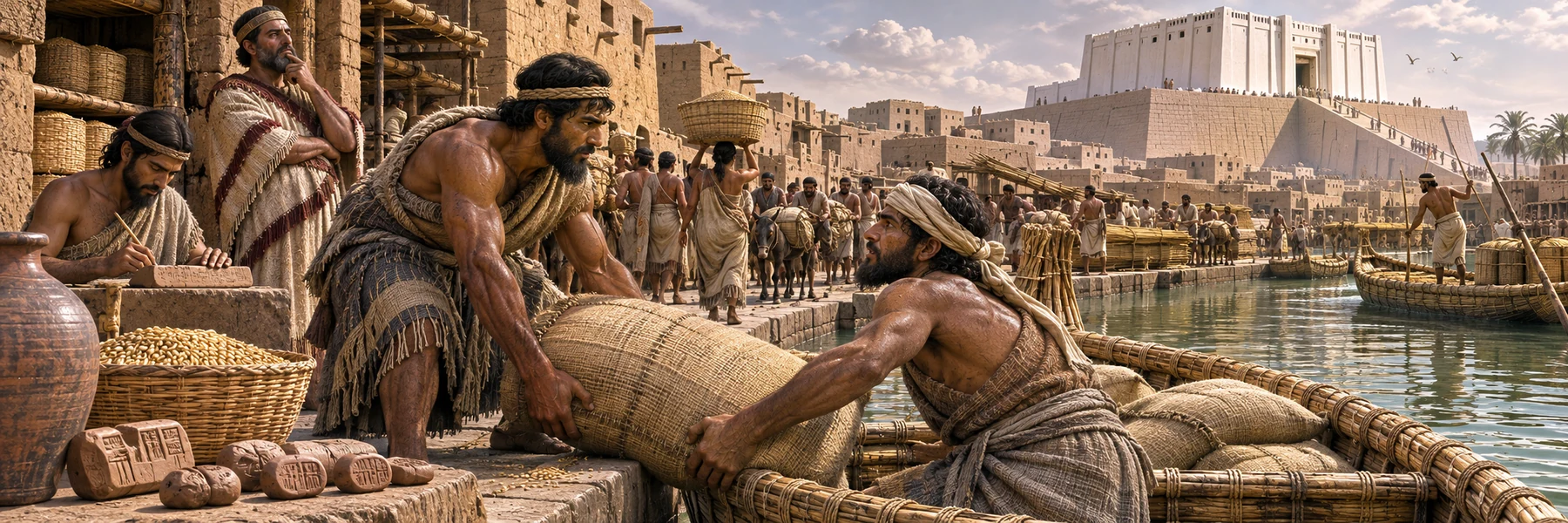
Large urban centers in Mesopotamia concentrated labor, administration, temples, trade, and political authority.
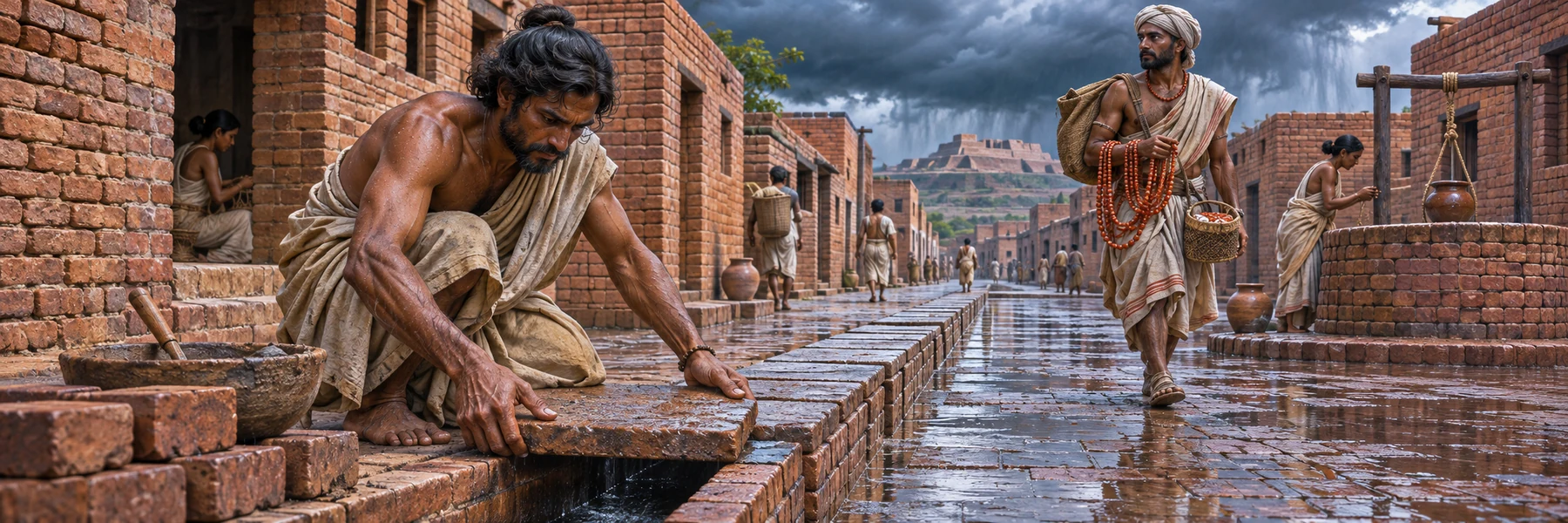
Harappa and Mohenjo-daro featured planned streets, drainage, craft production, and far-reaching trade.
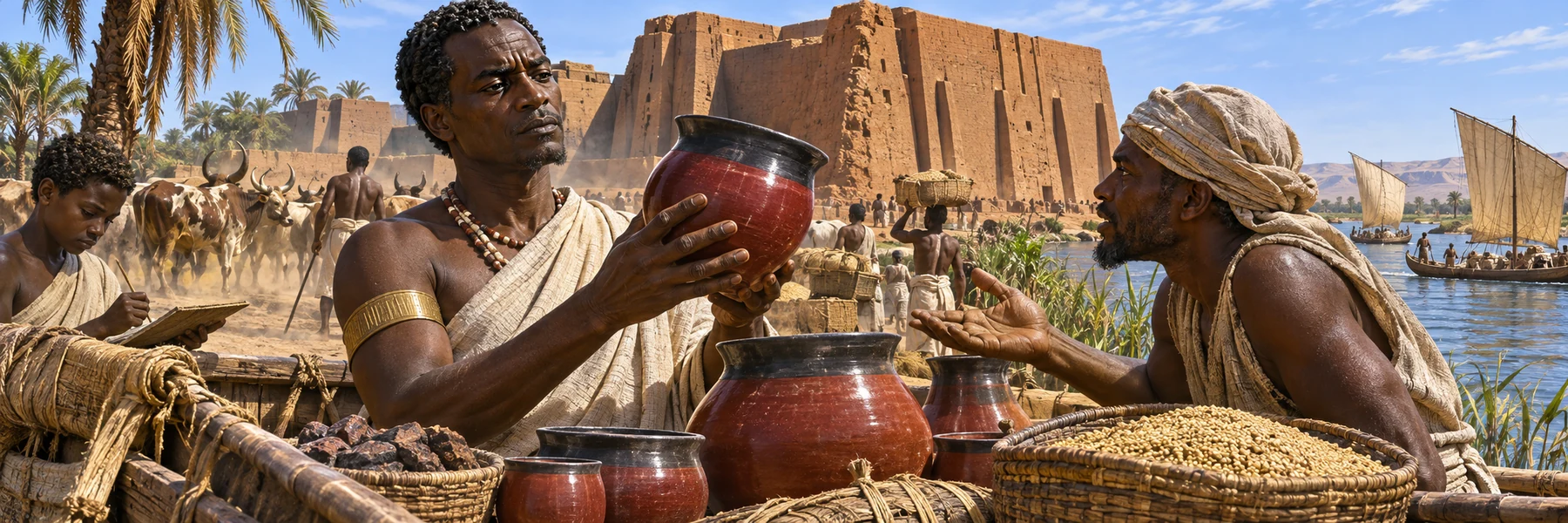
Powerful Nubian states developed along the Nile south of Egypt, controlling trade routes and regional resources.
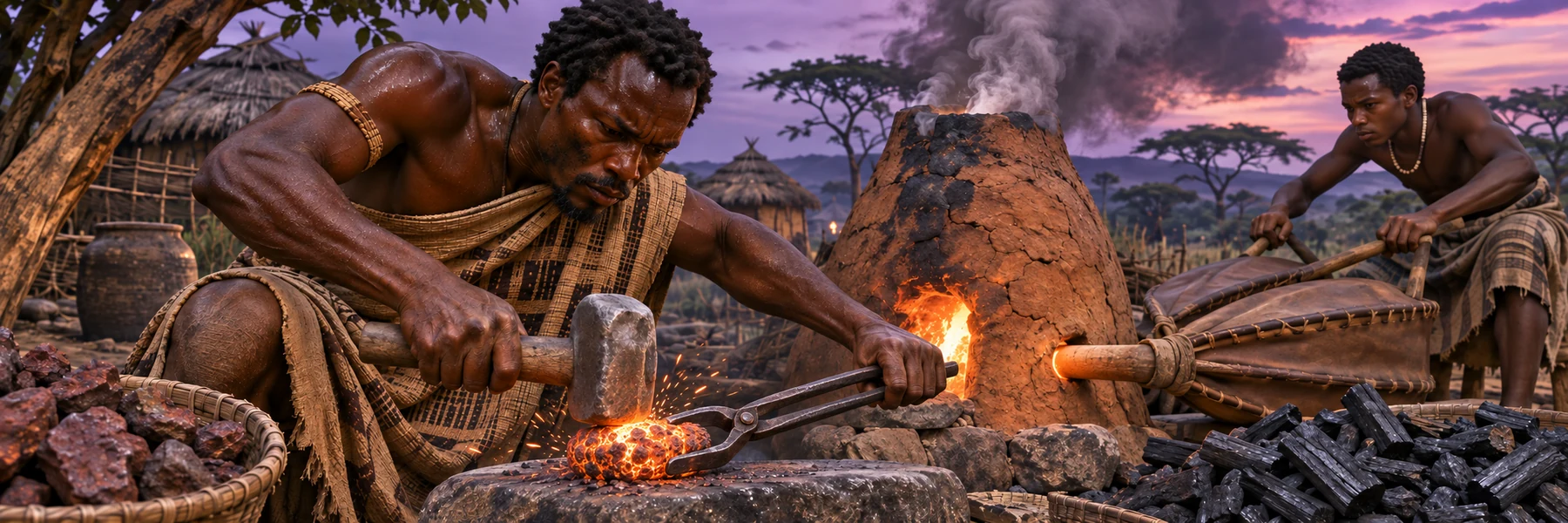
Iron production developed in parts of Africa and supported new tools, farming systems, crafts, and political growth.
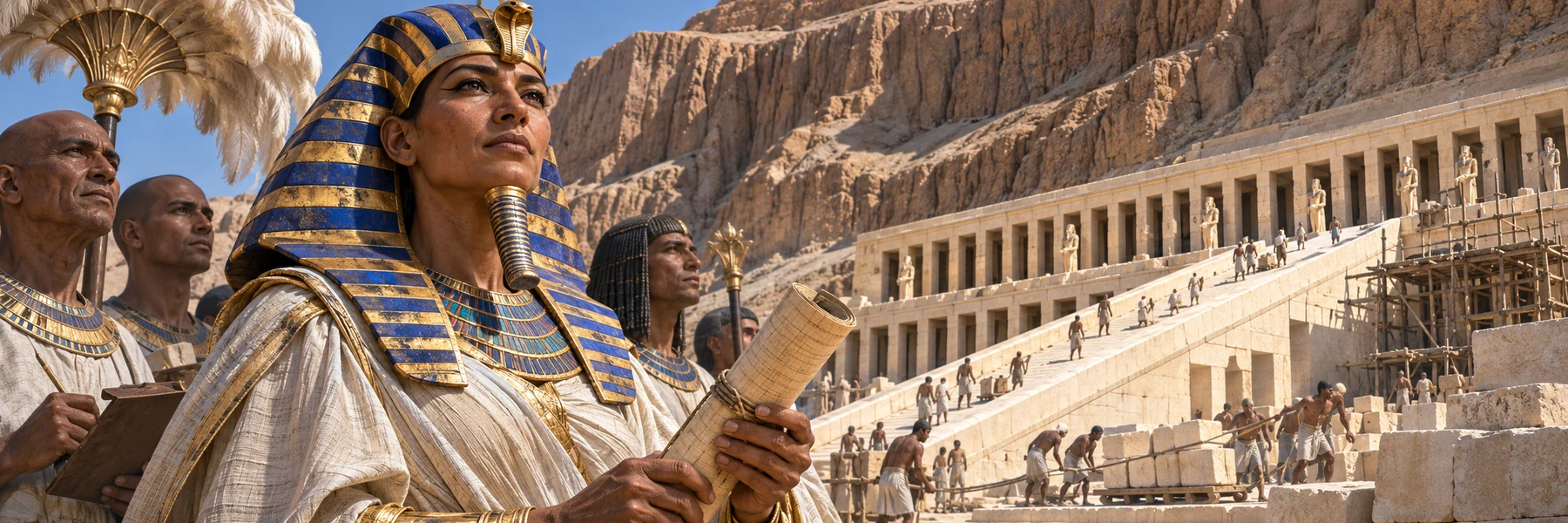
One of ancient Egypt’s most successful female pharaohs used trade, monumental building, and royal imagery to strengthen her rule.
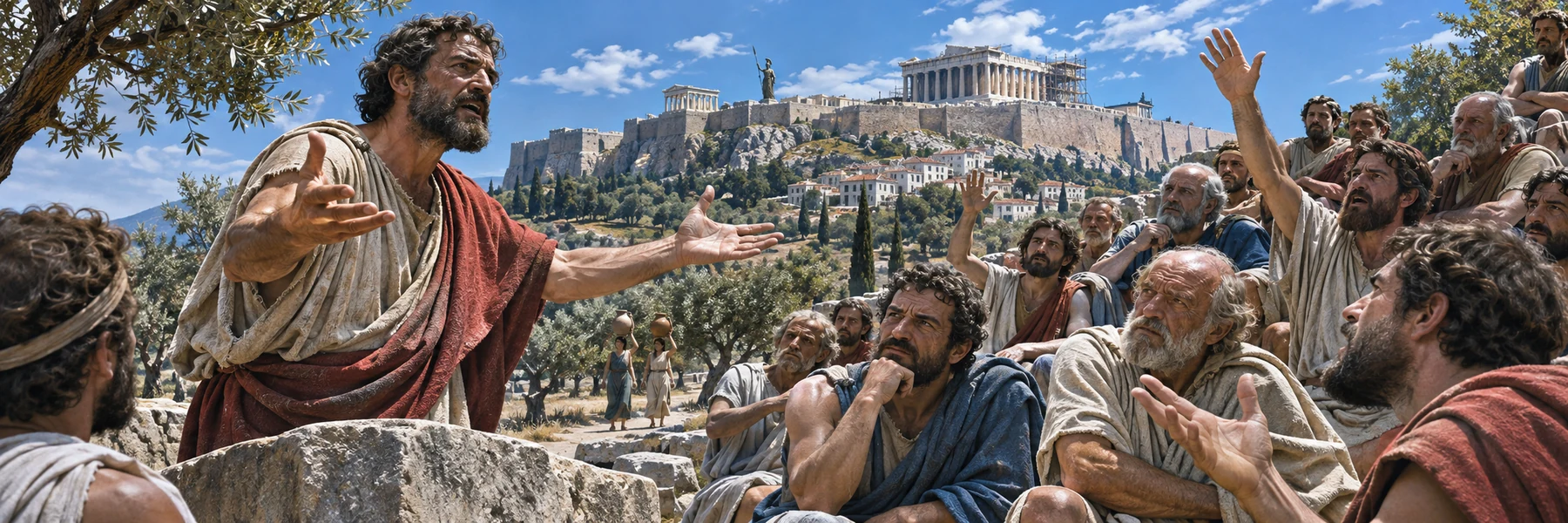
Athenian political institutions expanded direct participation for male citizens while excluding many residents.
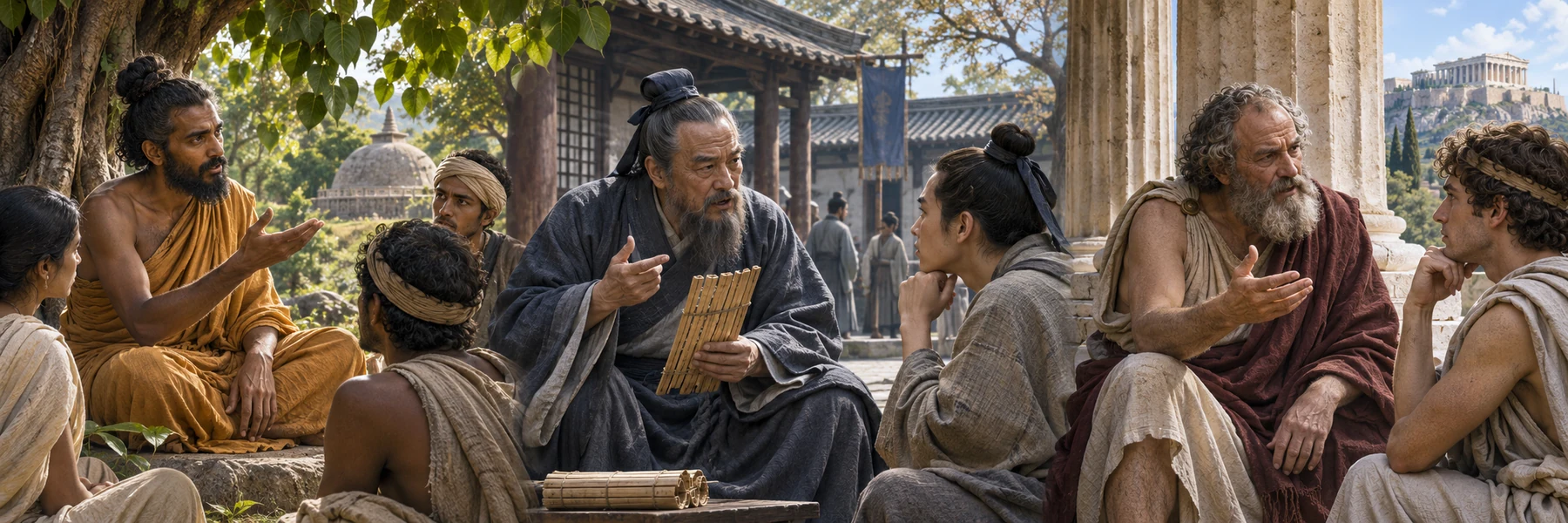
Influential traditions across South Asia, East Asia, the Mediterranean, and Southwest Asia shaped ethics and social life.
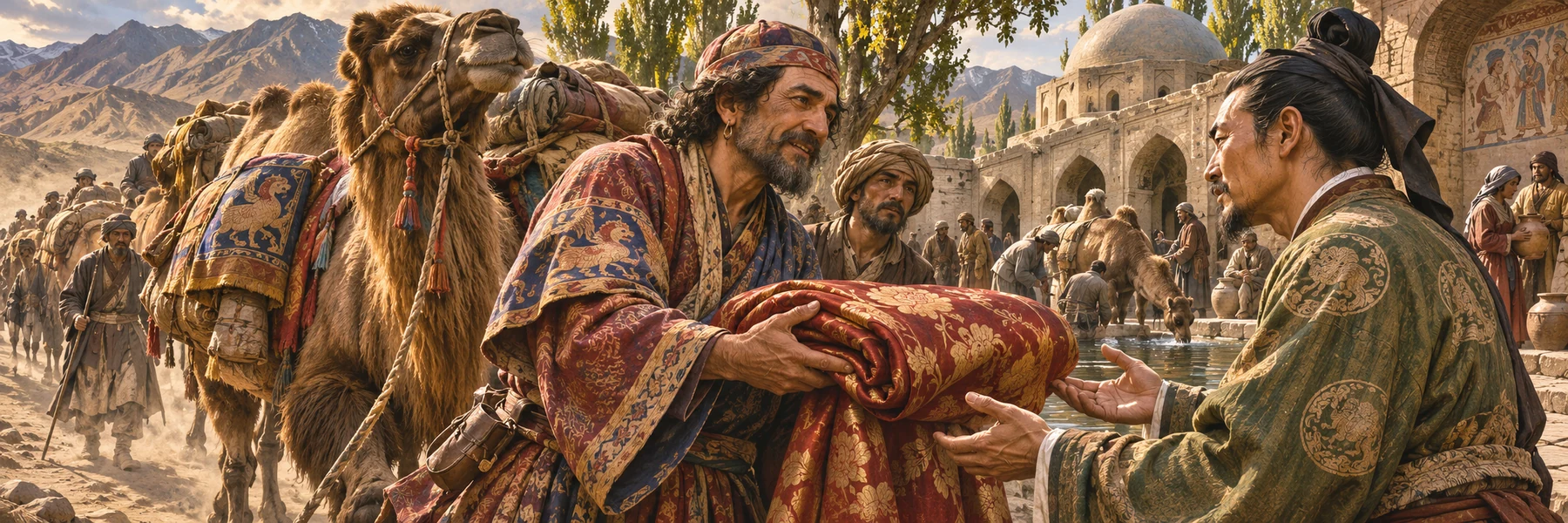
Overland and maritime routes linked merchants, states, travelers, technologies, religions, and disease across Eurasia.
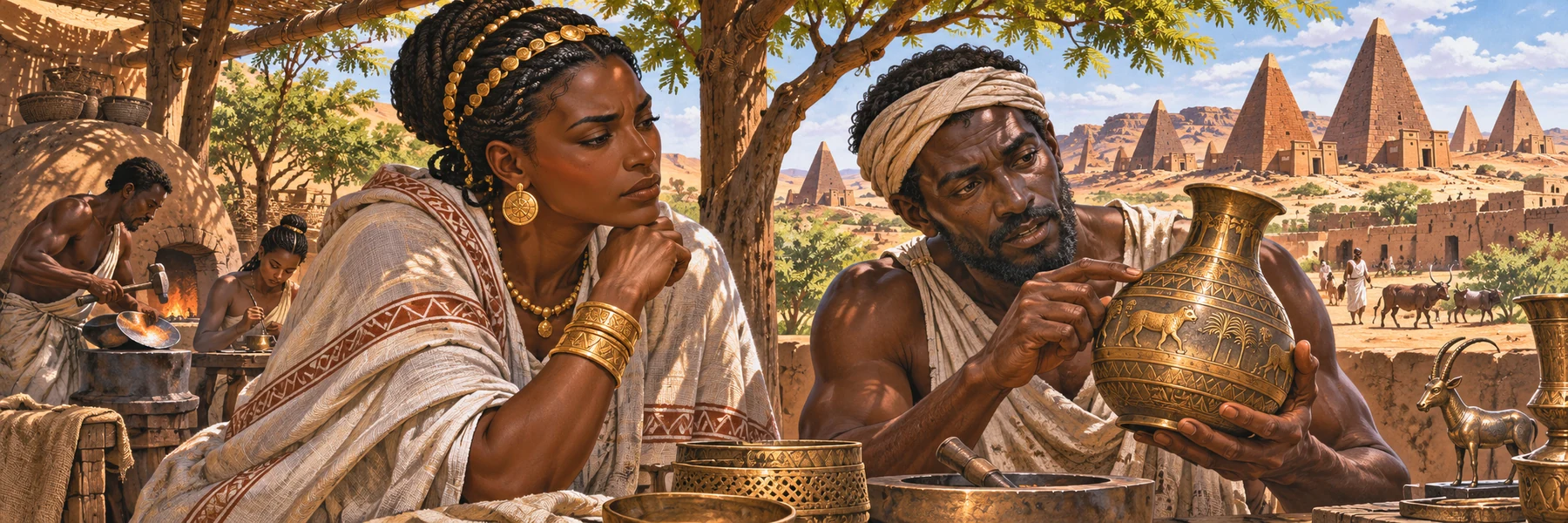
Kushite rulers governed a major Nile Valley state centered farther south at Meroë.
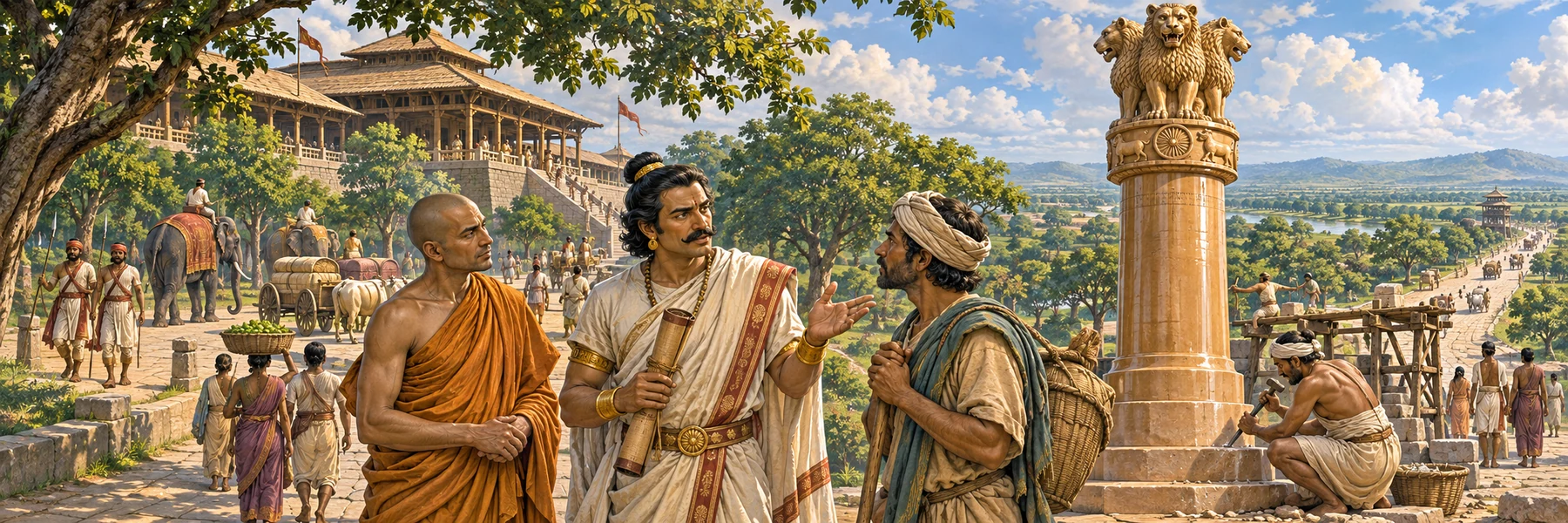
A vast South Asian empire promoted imperial administration and, under Ashoka, inscriptions tied to Buddhist ethics.
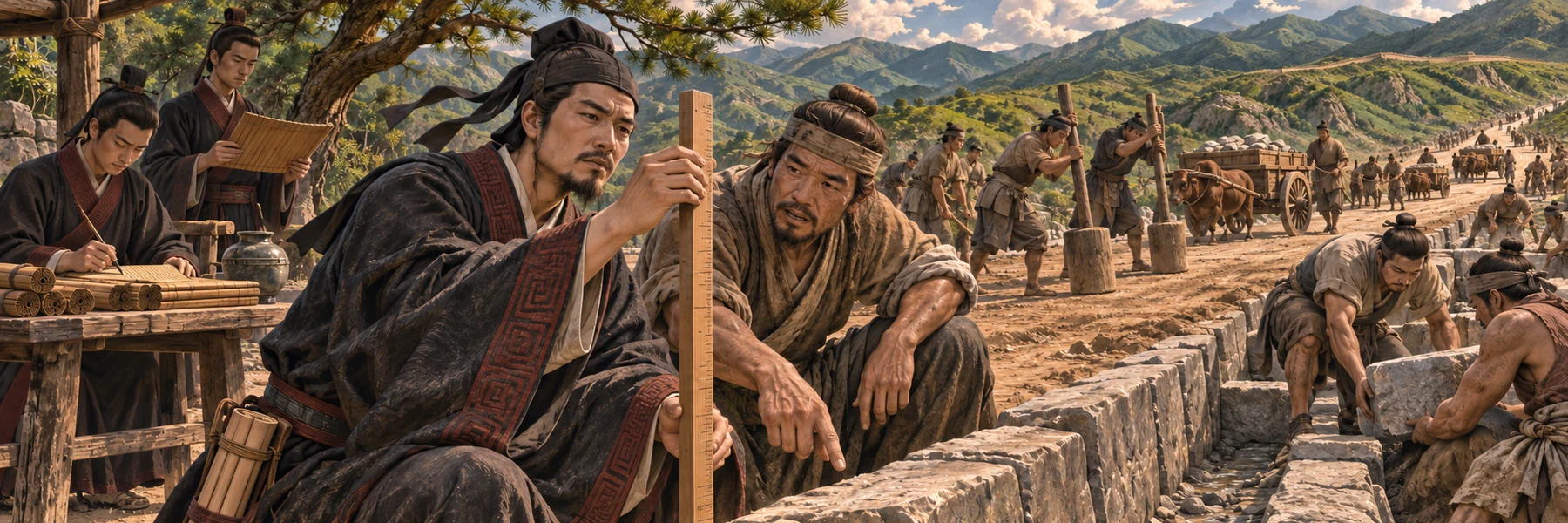
Qin unification and the long Han era created durable institutions, infrastructure, and imperial traditions.
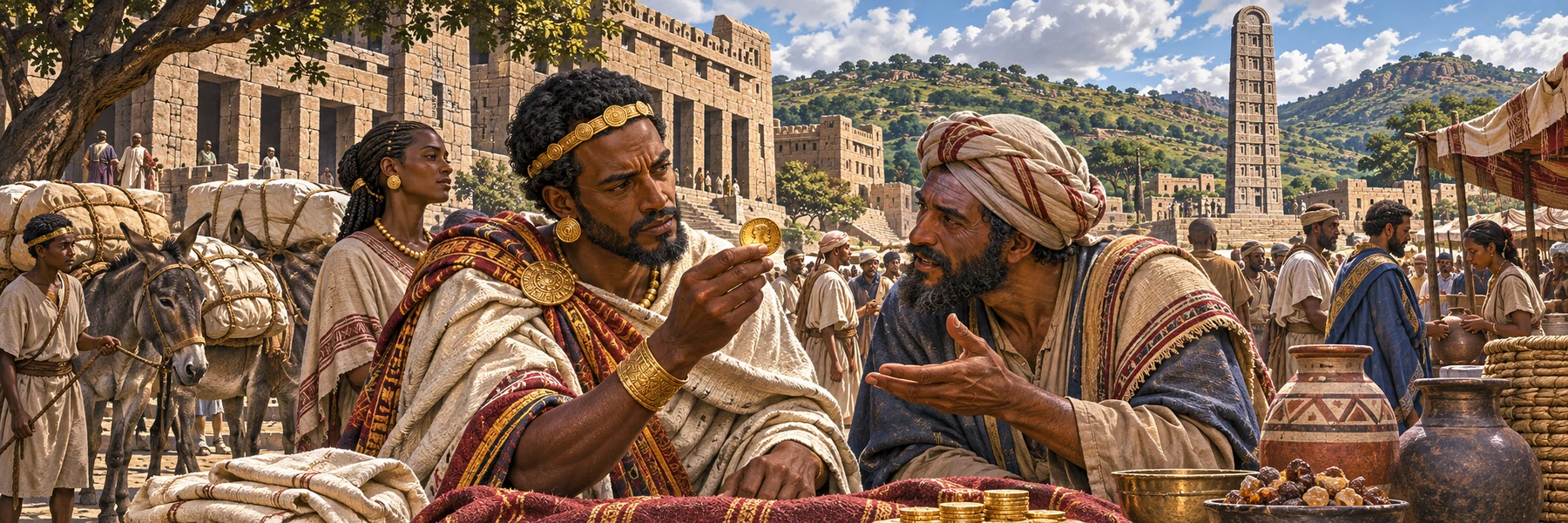
Aksum became a Red Sea power linking the African interior, Arabia, the Mediterranean, and Indian Ocean trade.
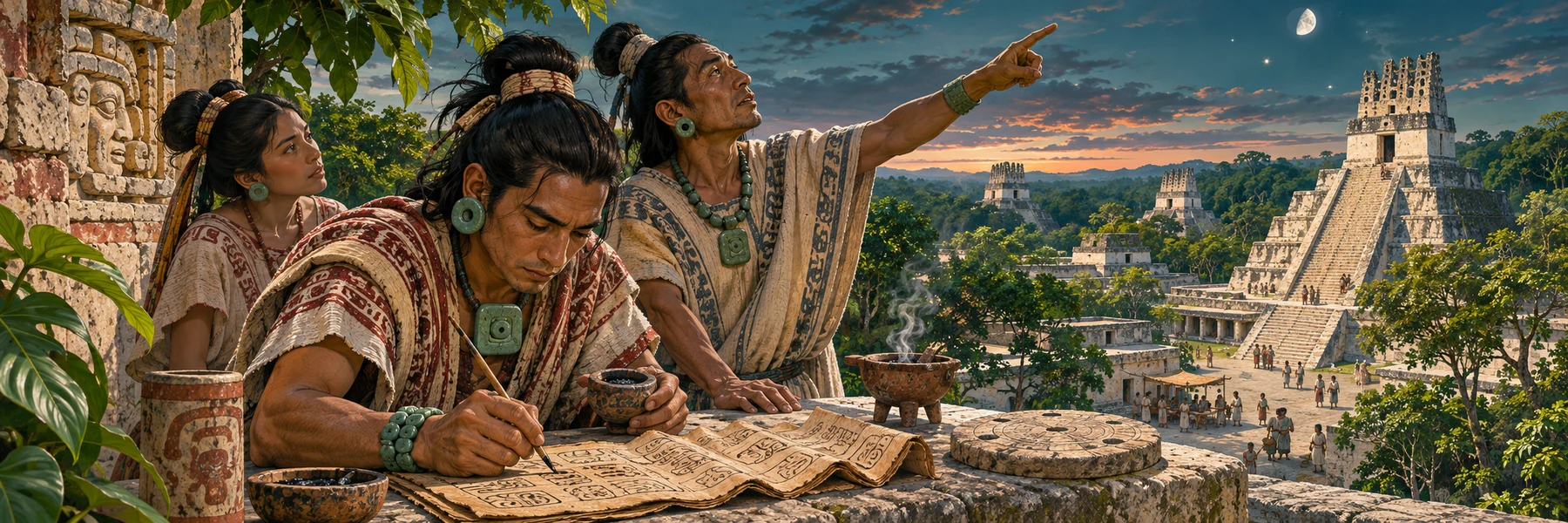
Maya city-states developed monumental architecture, writing, astronomy, calendars, and complex political networks.
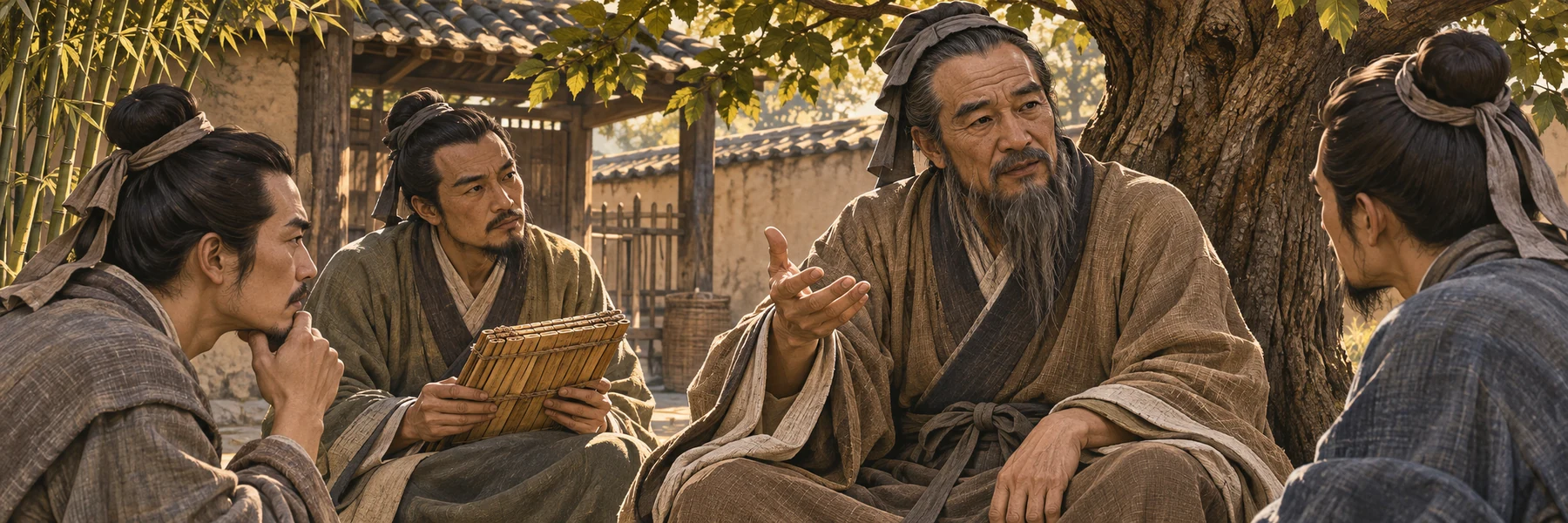
A Chinese teacher and thinker whose ideas about ethics, education, family, and government shaped East Asian societies for centuries.
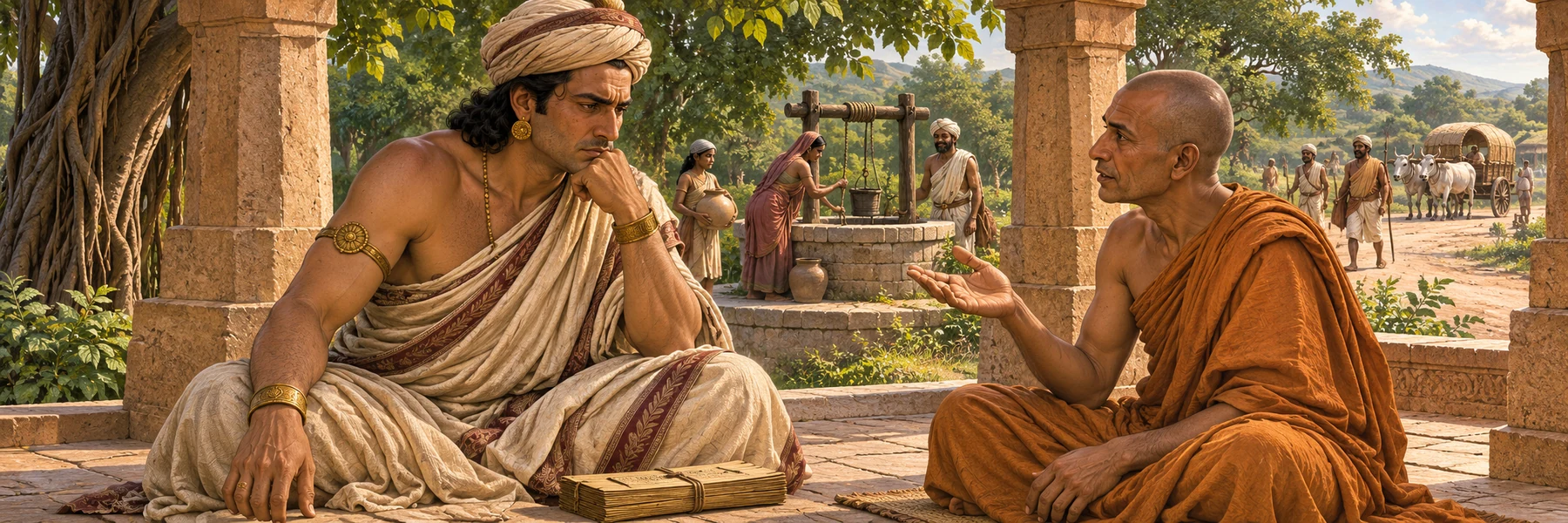
The Mauryan emperor promoted Buddhist ethics and public welfare after a brutal war of conquest.
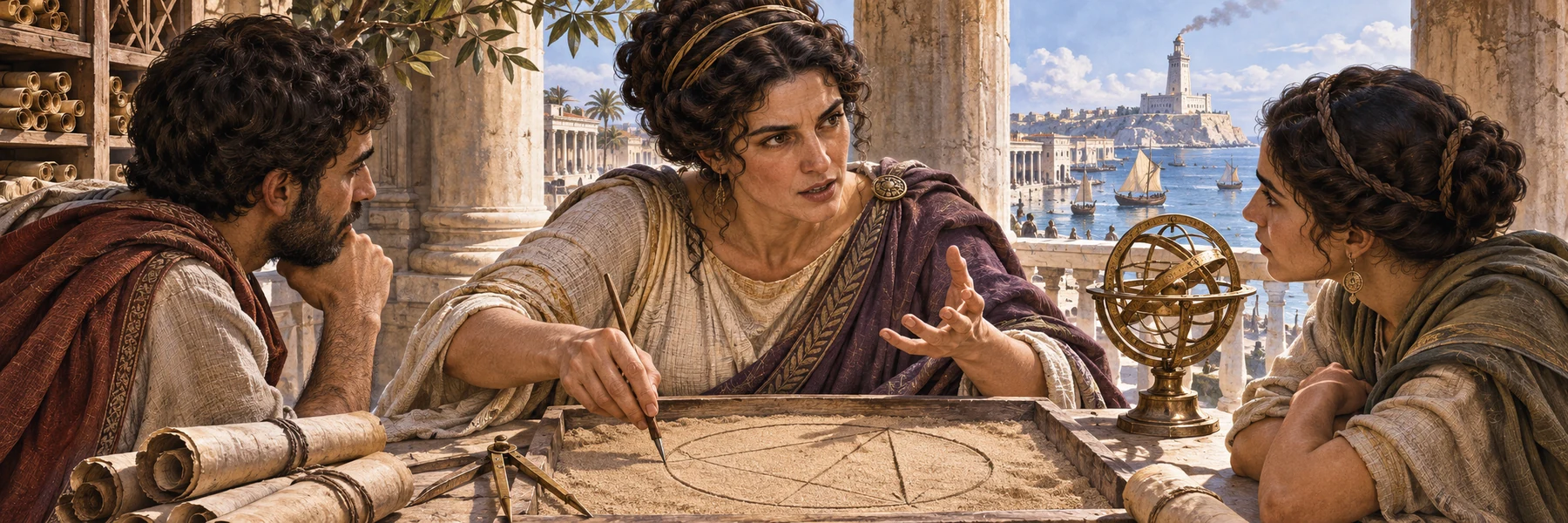
A mathematician, astronomer, and philosopher who taught in one of the ancient Mediterranean’s great intellectual centers.
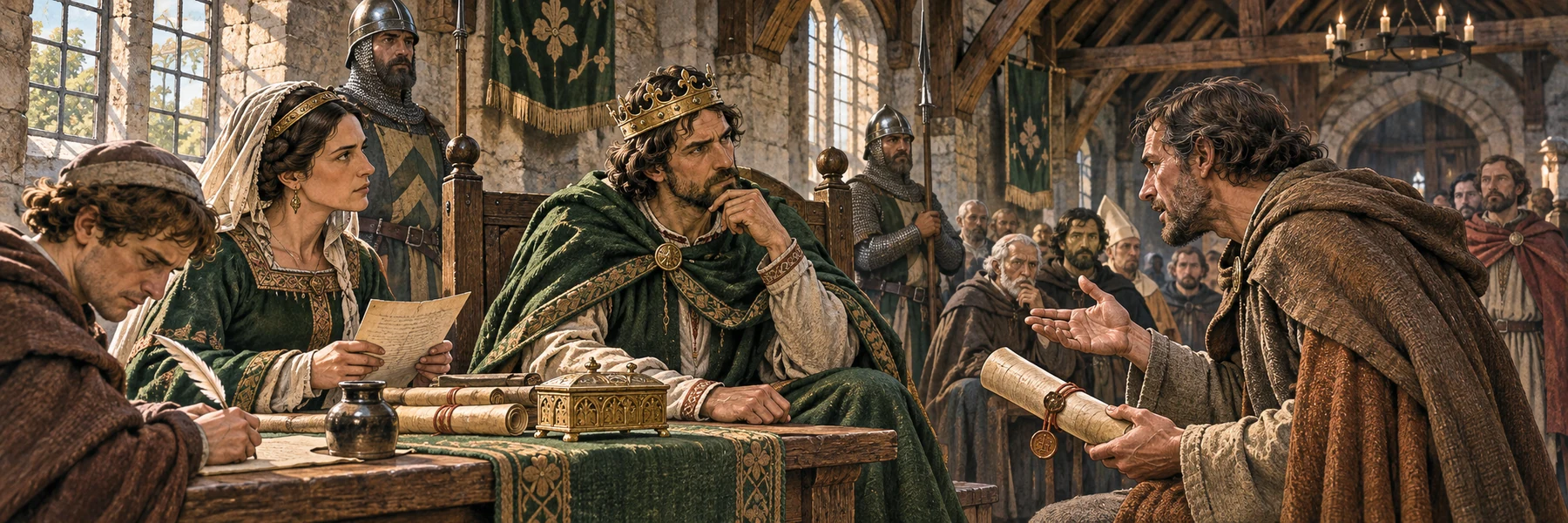
Political authority took many forms, from kingdoms and empires to city-states and decentralized lordships.
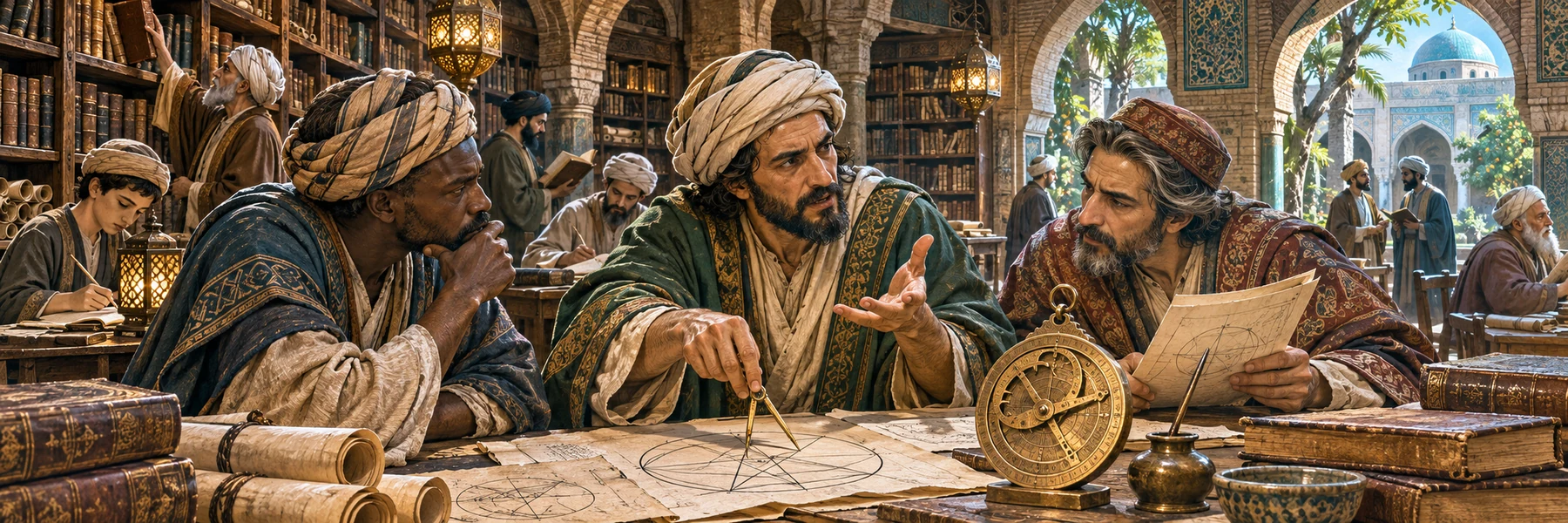
Scholars across the Islamic world translated, preserved, debated, and extended knowledge in mathematics, medicine, astronomy, and philosophy.
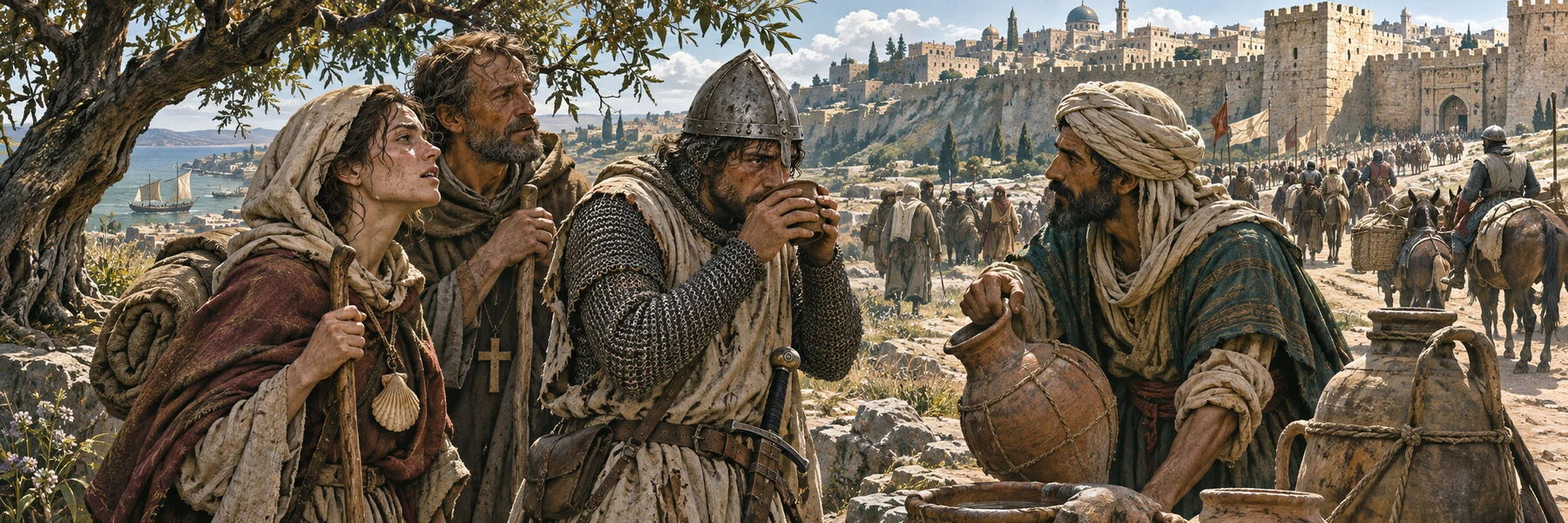
A series of religiously framed military campaigns transformed politics, trade, and relations across the Mediterranean world.
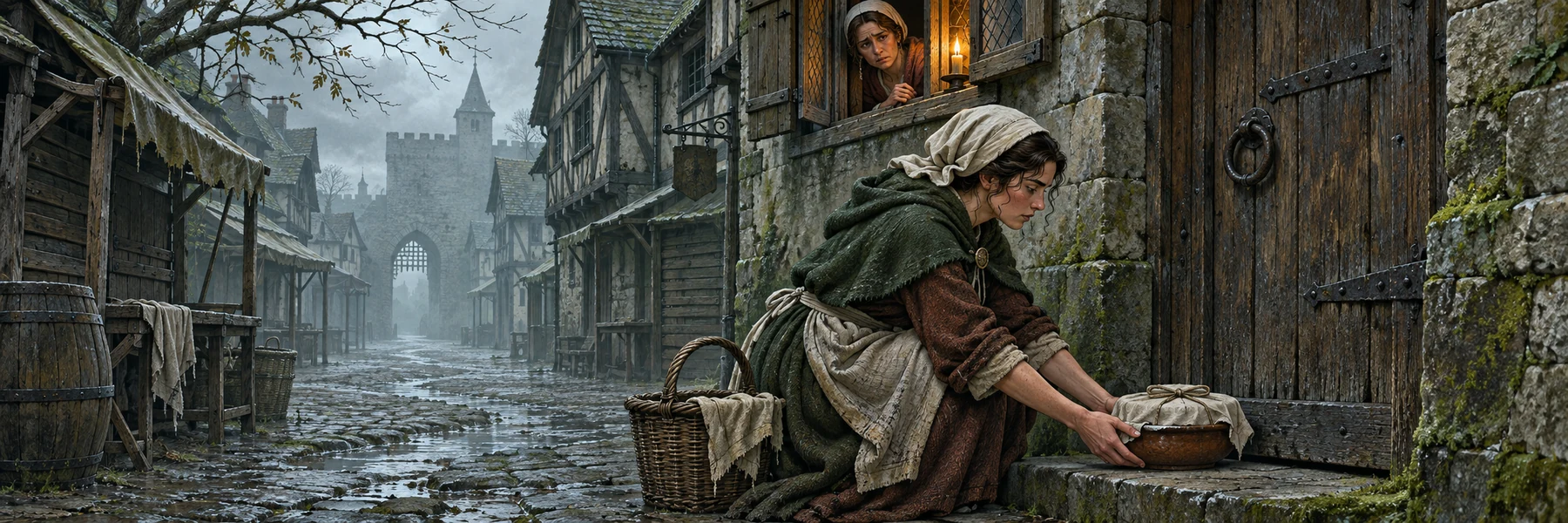
Pandemic plague caused catastrophic mortality across Eurasia and North Africa and reshaped economies and communities.
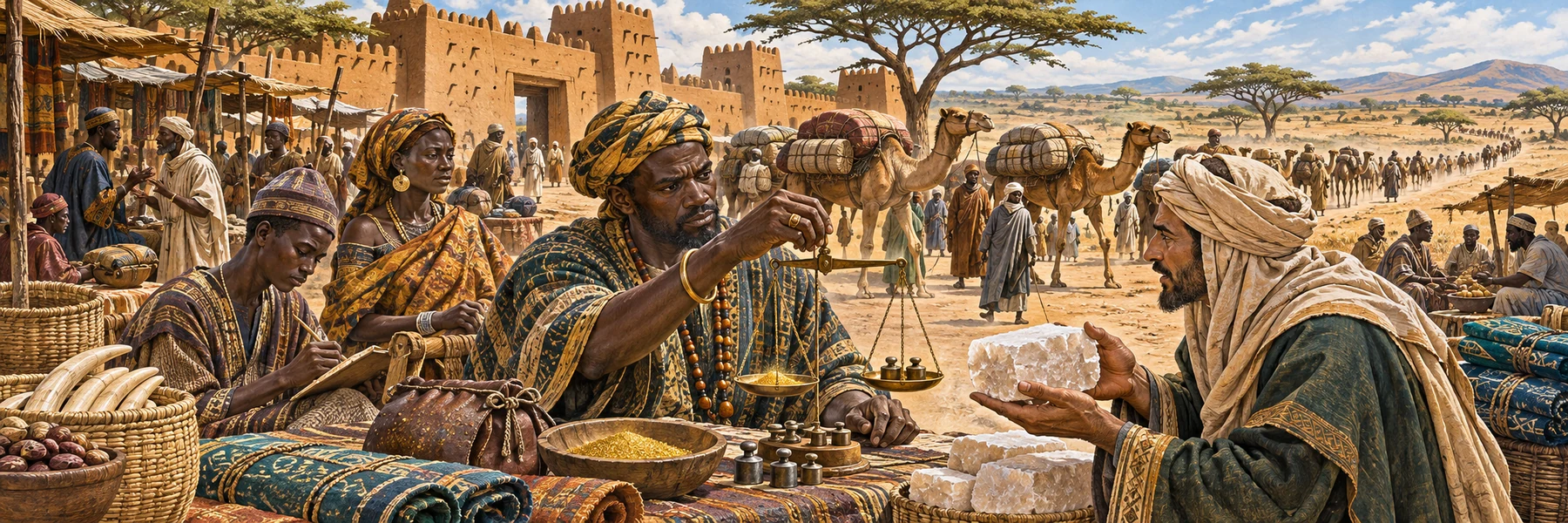
West African states grew wealthy by controlling trade in gold, salt, and other goods across the Sahara.
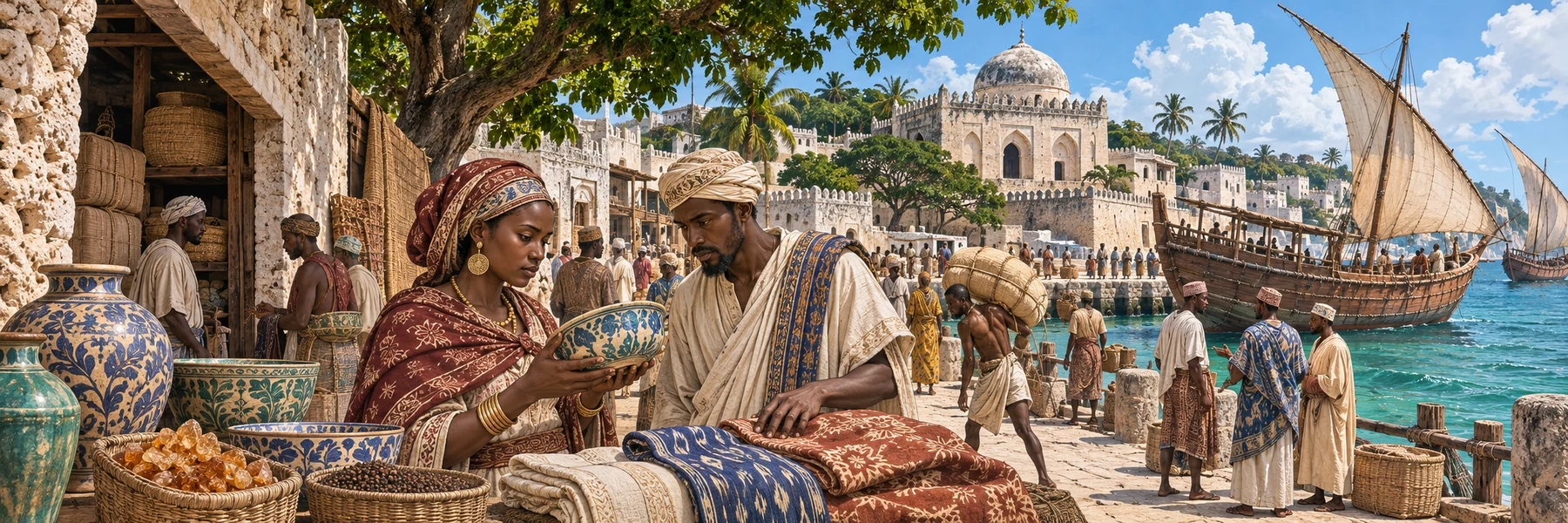
African port cities linked the East African coast to Arabia, Persia, India, and the wider Indian Ocean.
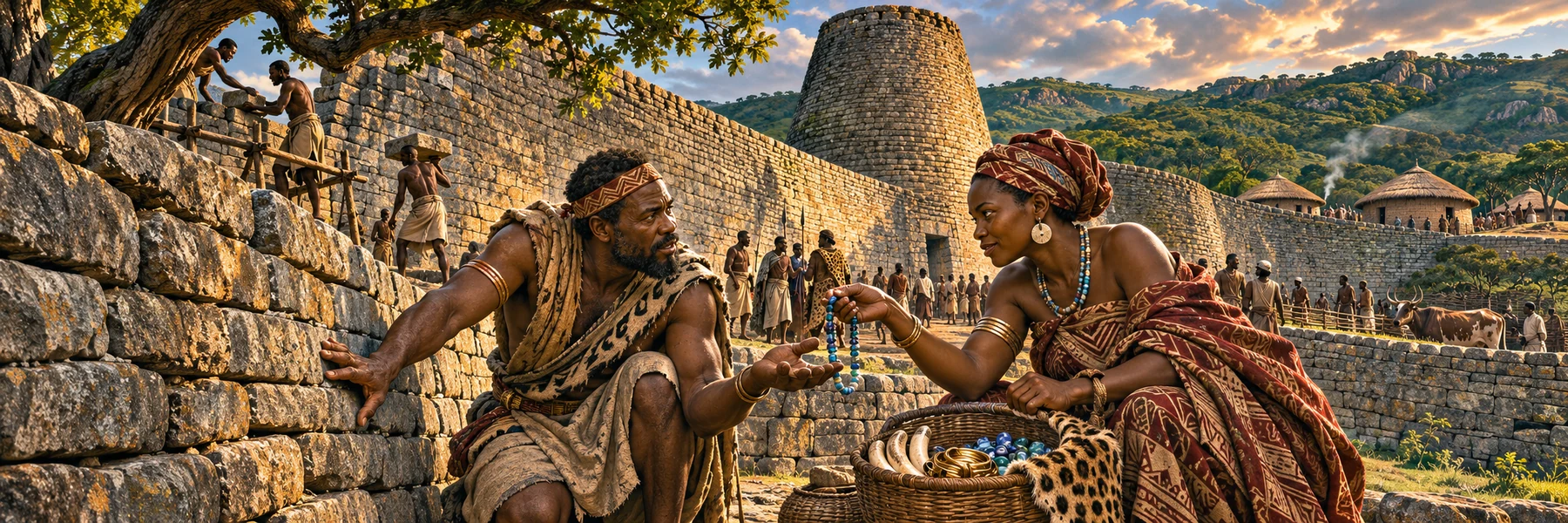
A major stone-built city became the center of a powerful southern African state tied to regional and Indian Ocean trade.
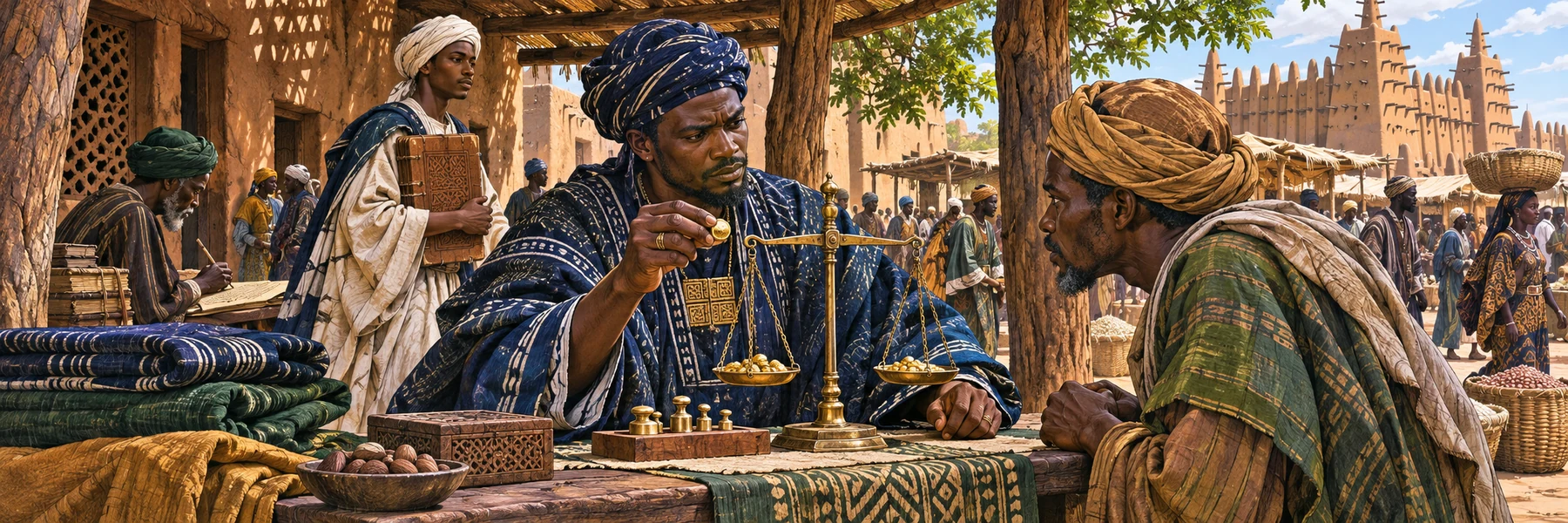
Mali became one of medieval West Africa’s most influential states, controlling gold-producing regions and trade routes.
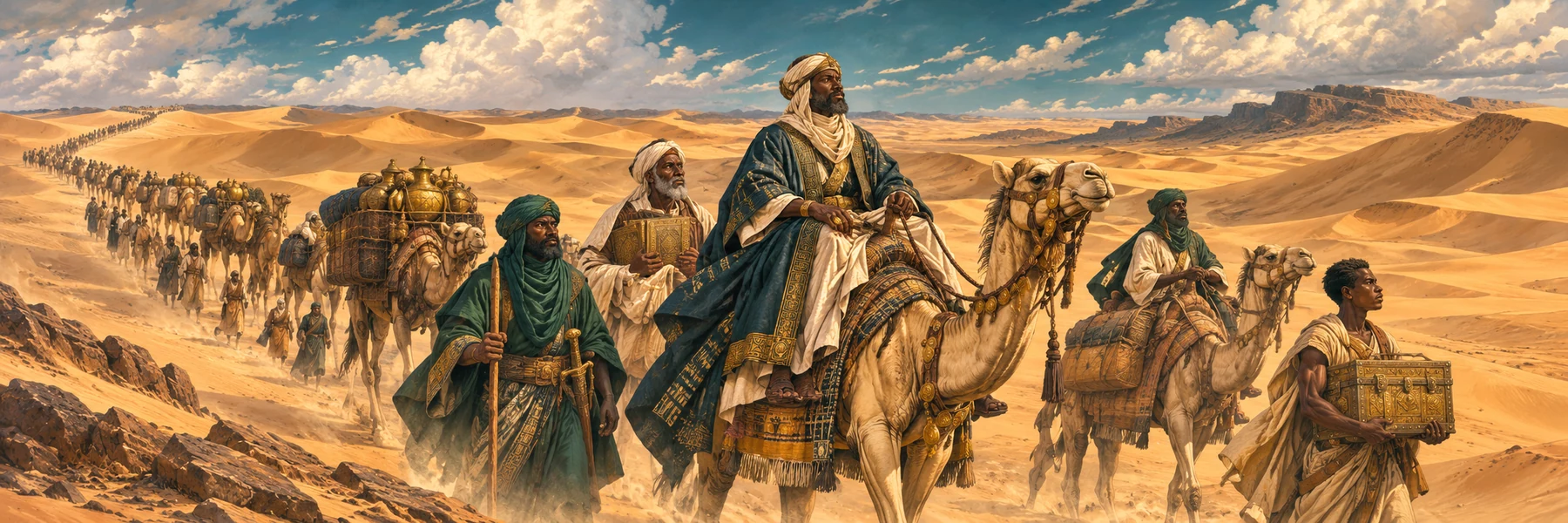
The ruler of Mali traveled to Mecca with a famous caravan that advertised West Africa’s wealth and connections.
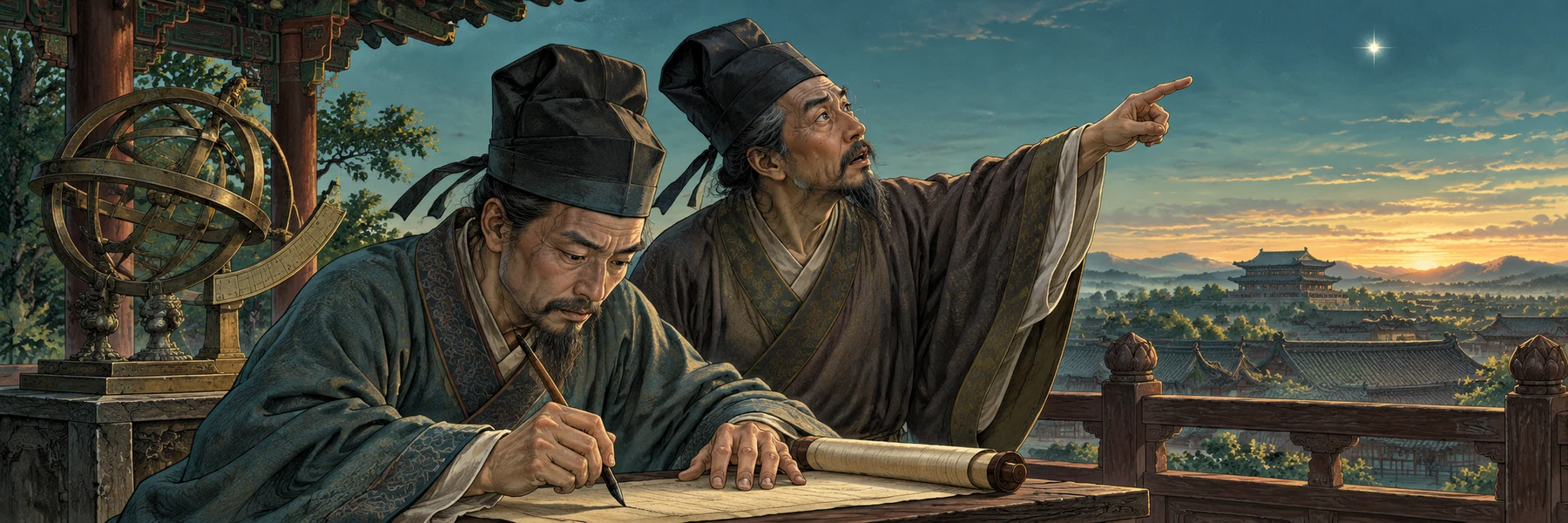
Centuries before the Black Death, skywatchers recorded a brilliant “guest star” later linked to the Crab Nebula.
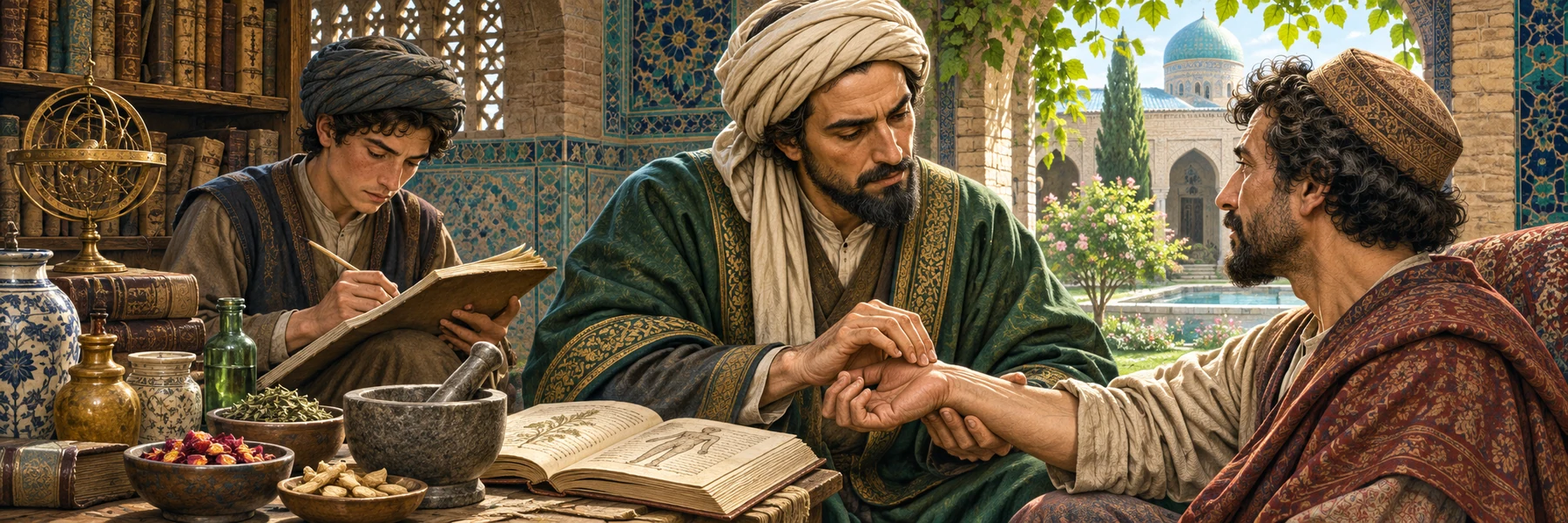
A Persian polymath whose works on medicine and philosophy influenced scholarship from the Islamic world to Europe.
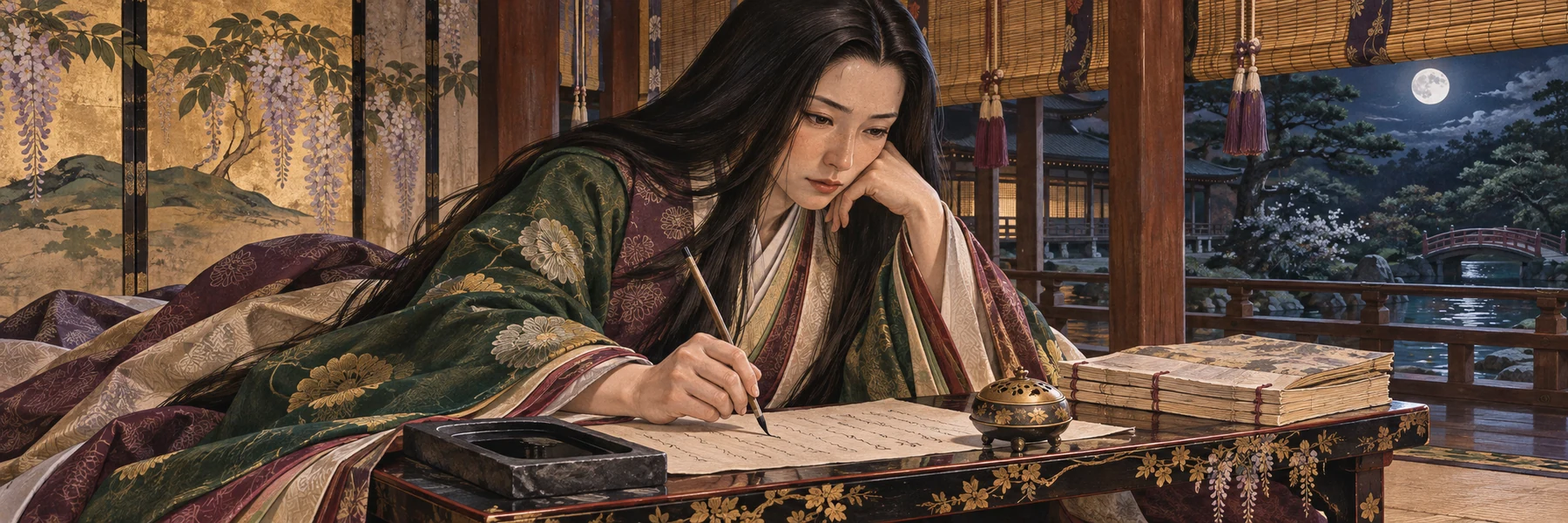
A Japanese court writer associated with The Tale of Genji, often described as one of the world’s earliest great novels.
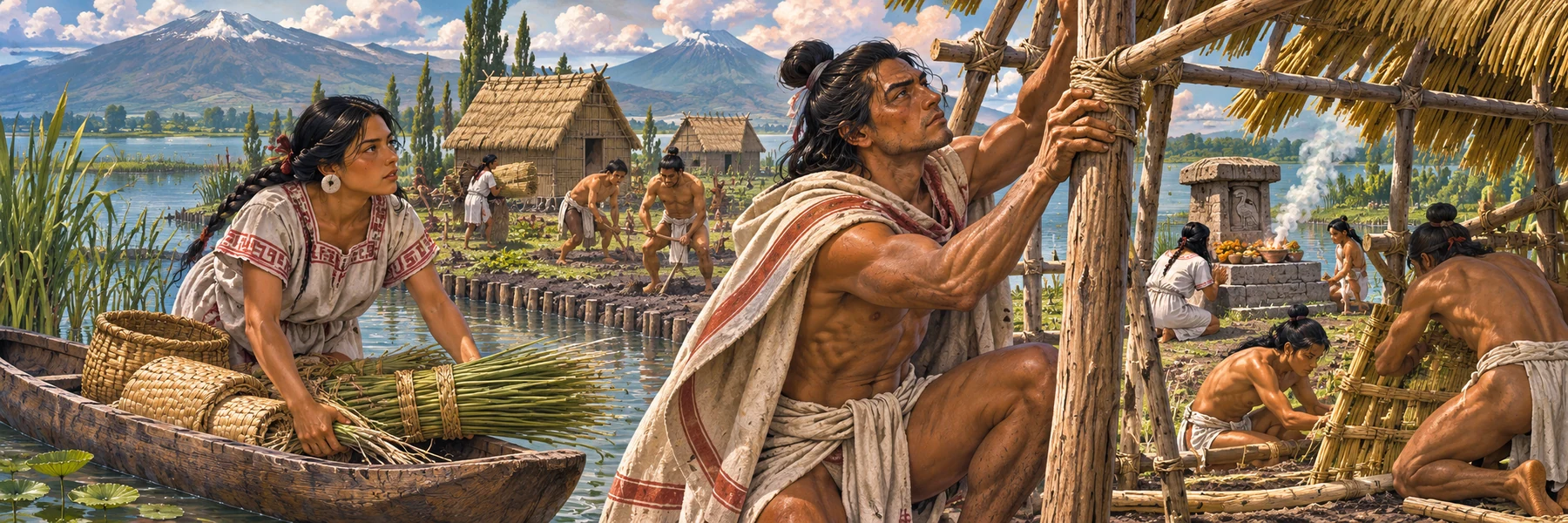
The Mexica established Tenochtitlan on an island in Lake Texcoco, laying the foundation for one of the largest cities in the Americas.
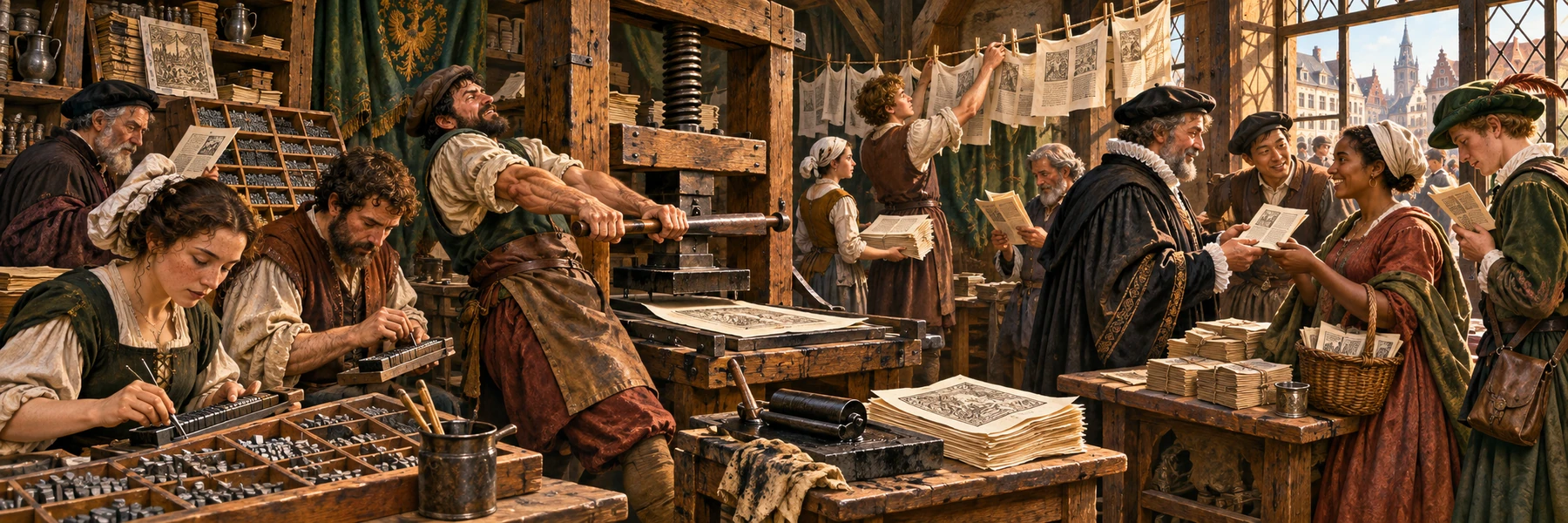
Movable-type printing in Europe accelerated the circulation of texts; printing traditions elsewhere had much earlier histories.
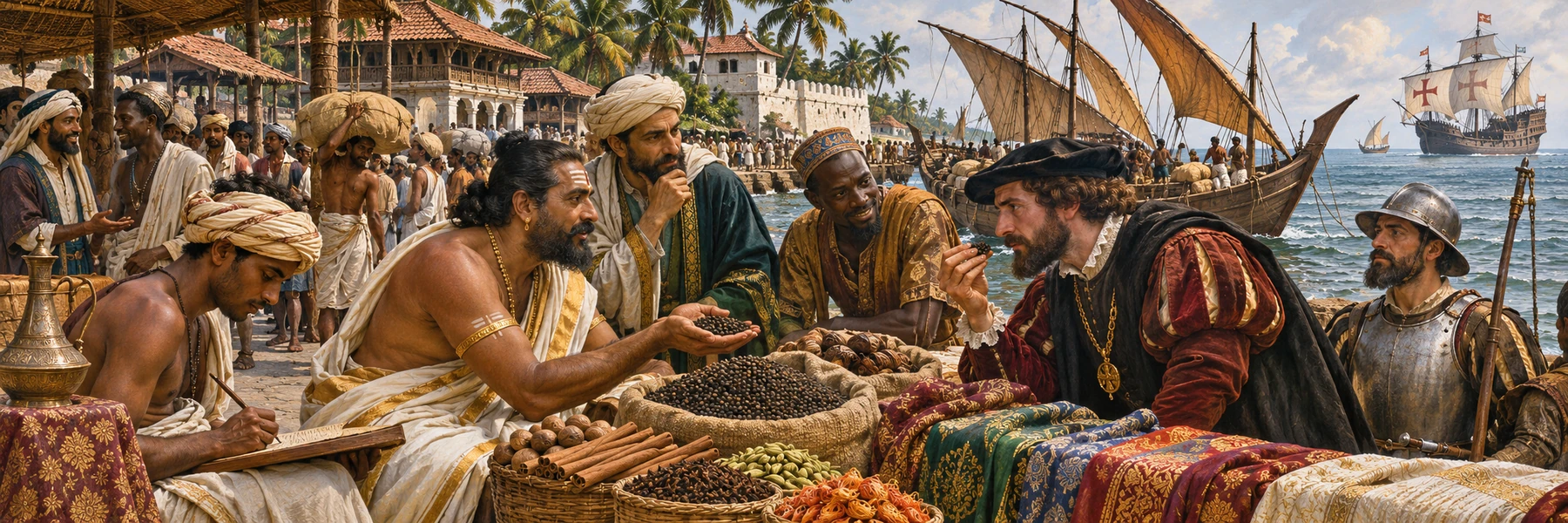
European maritime expansion connected existing regional worlds through conquest, commerce, colonization, and forced migration.
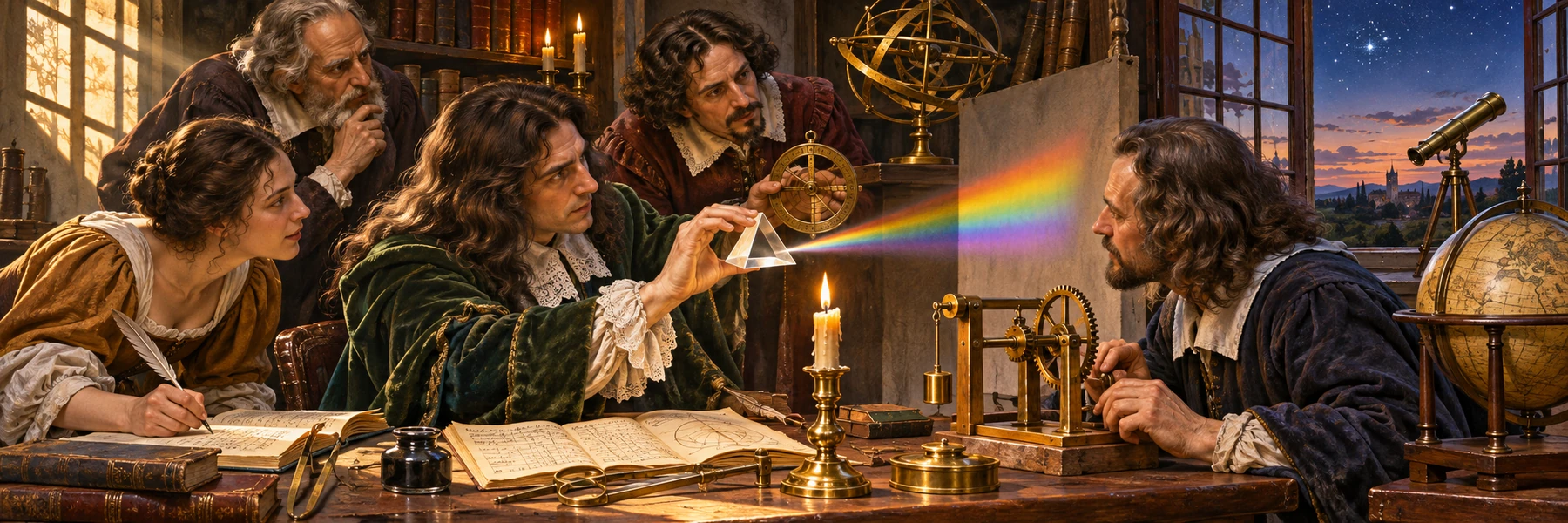
Observation, mathematics, instruments, and debate challenged inherited explanations of the natural world.
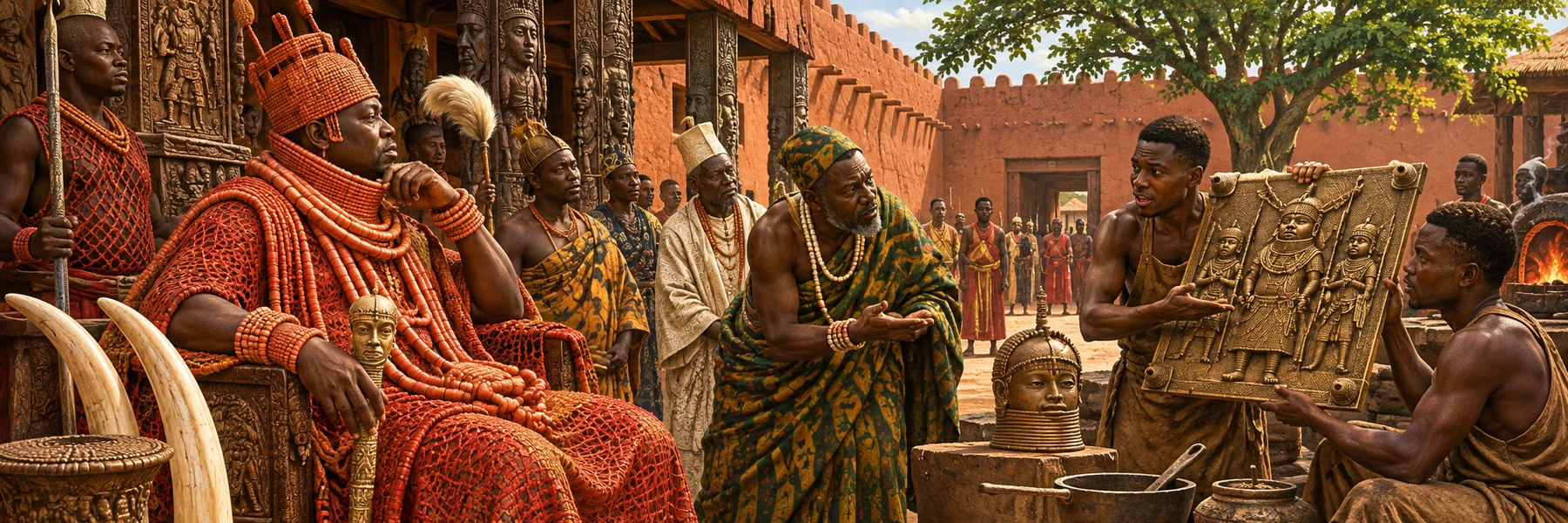
Benin developed a powerful court culture, urban center, regional trade, and extraordinary brass and ivory art.
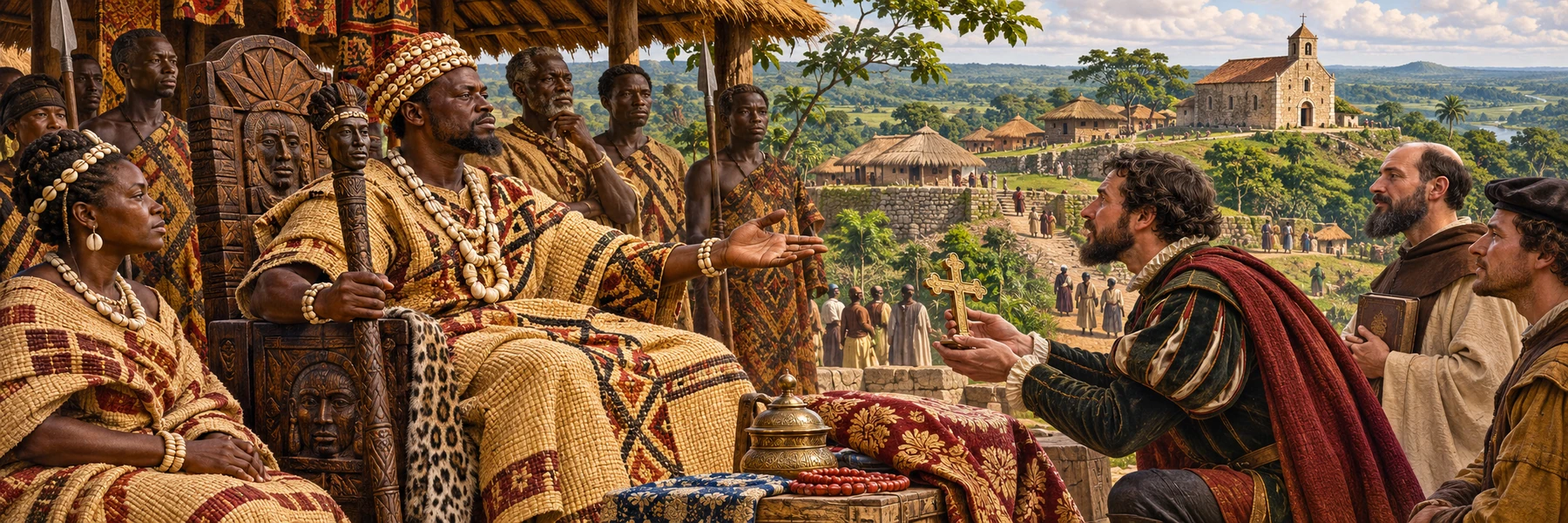
A Central African kingdom built regional power and later maintained diplomatic and religious connections with Portugal and the Atlantic world.
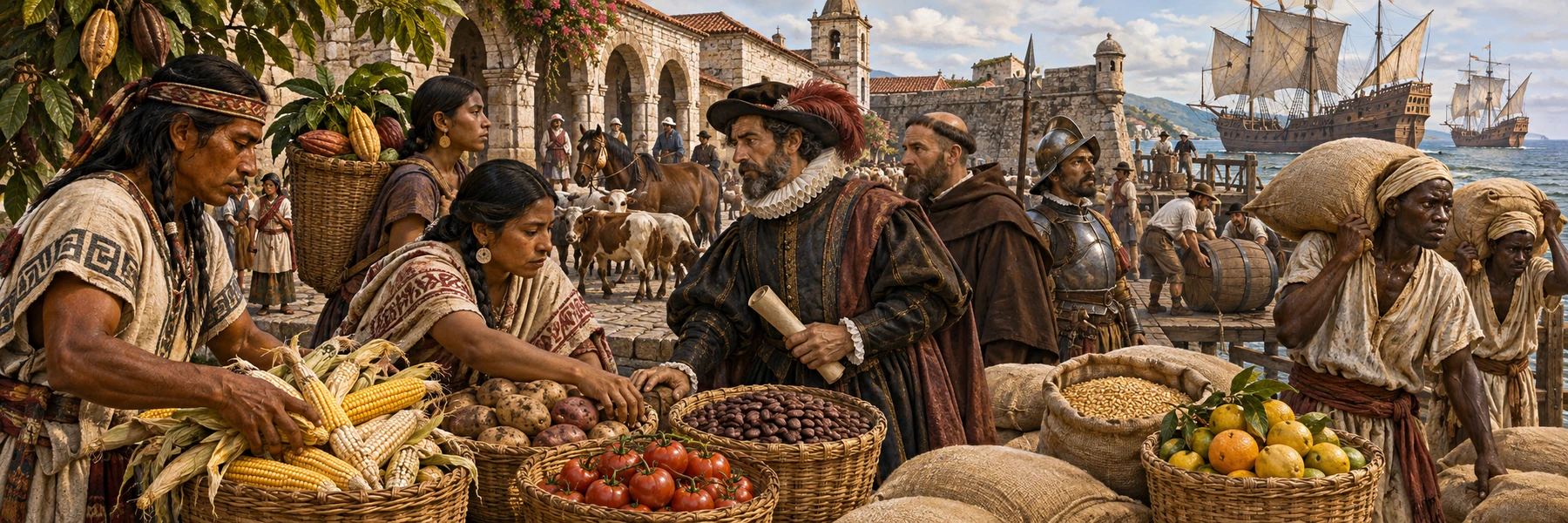
Plants, animals, pathogens, and people moved between Afro-Eurasia and the Americas on an unprecedented scale.
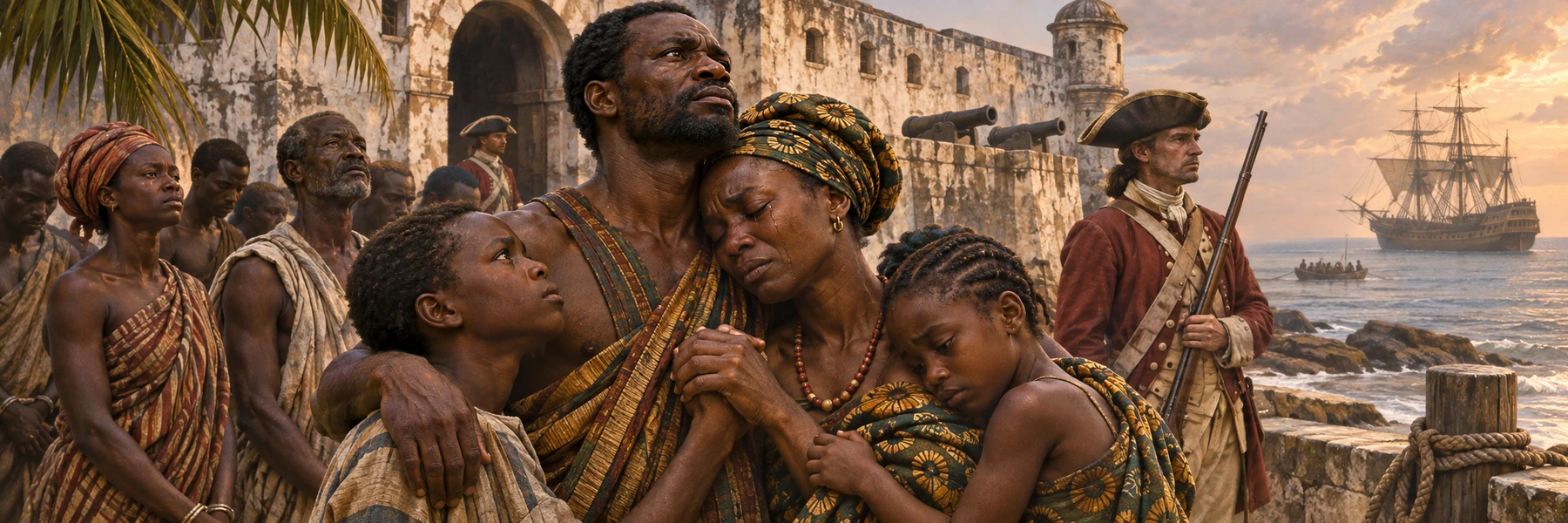
Millions of Africans were forcibly transported across the Atlantic in one of history’s largest coerced migrations.
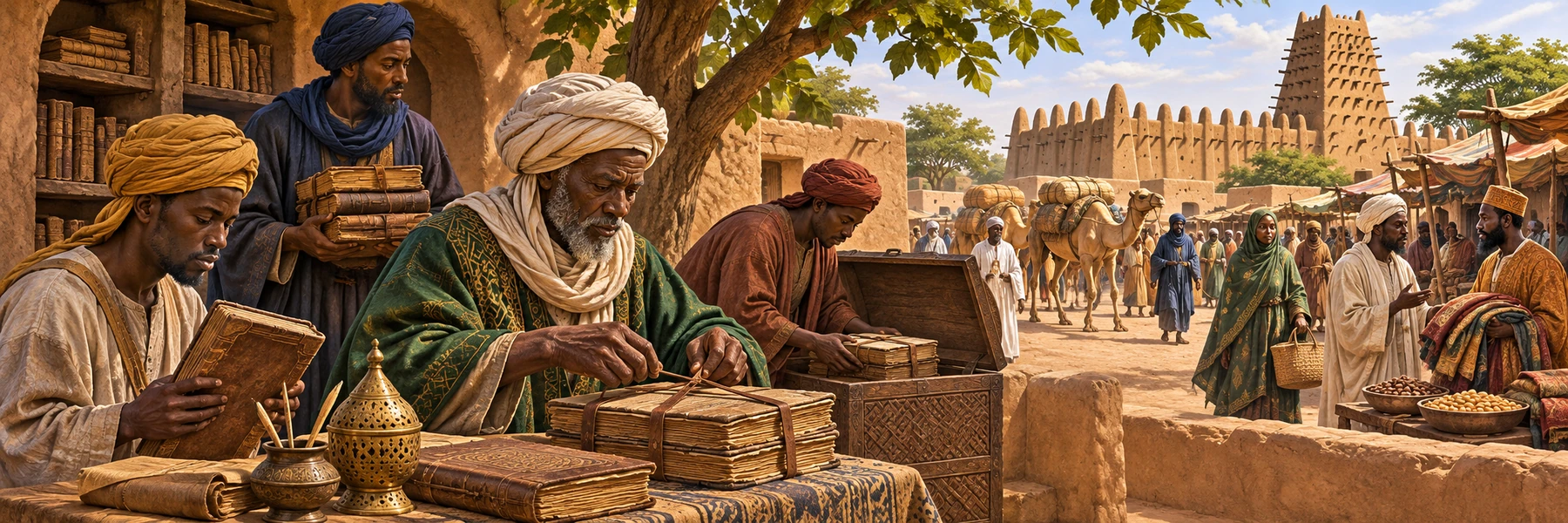
Moroccan forces defeated Songhai at Tondibi, but West African trade, scholarship, and political life continued through new states and networks.
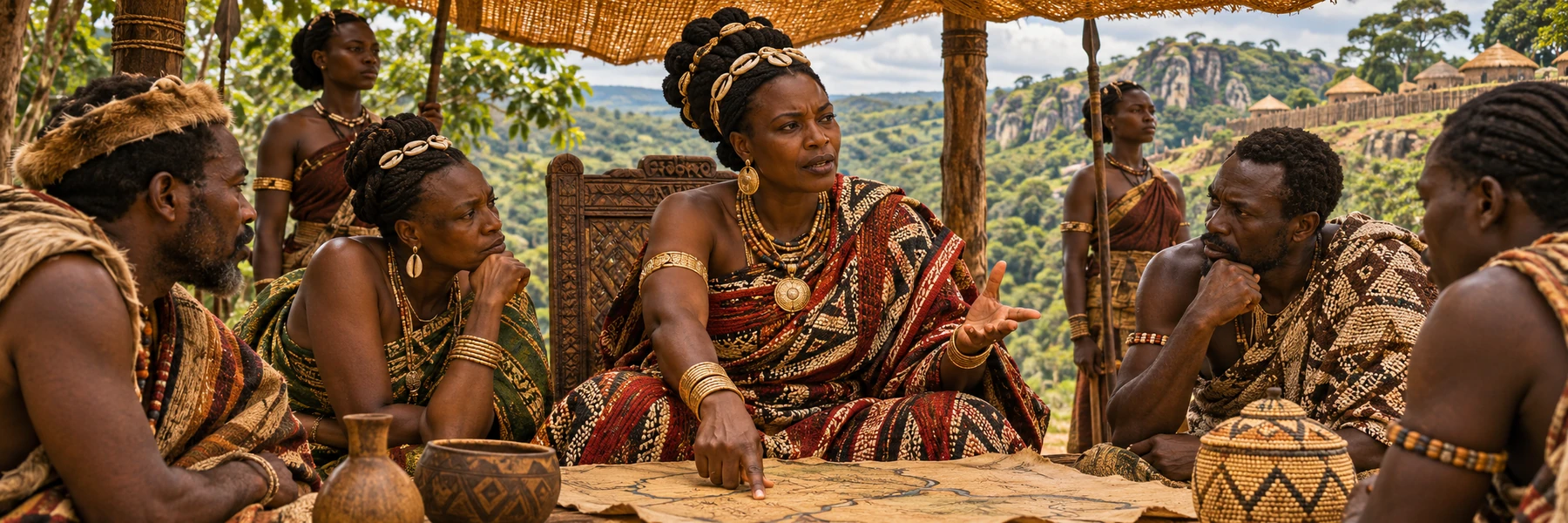
The ruler of Ndongo and Matamba used diplomacy, warfare, and shifting alliances to resist Portuguese expansion in Central Africa.
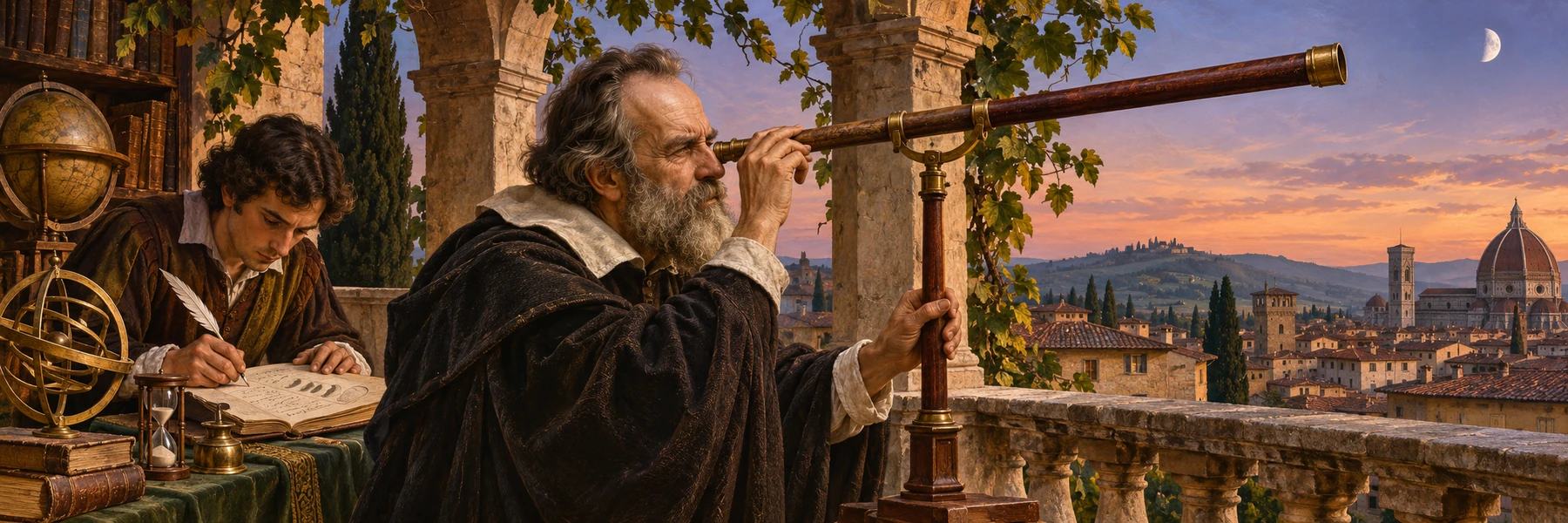
Telescopic observation and mathematical analysis helped transform astronomy and debates about how knowledge should be tested.

Movable metal type and the printing press helped accelerate the circulation of books in Europe.
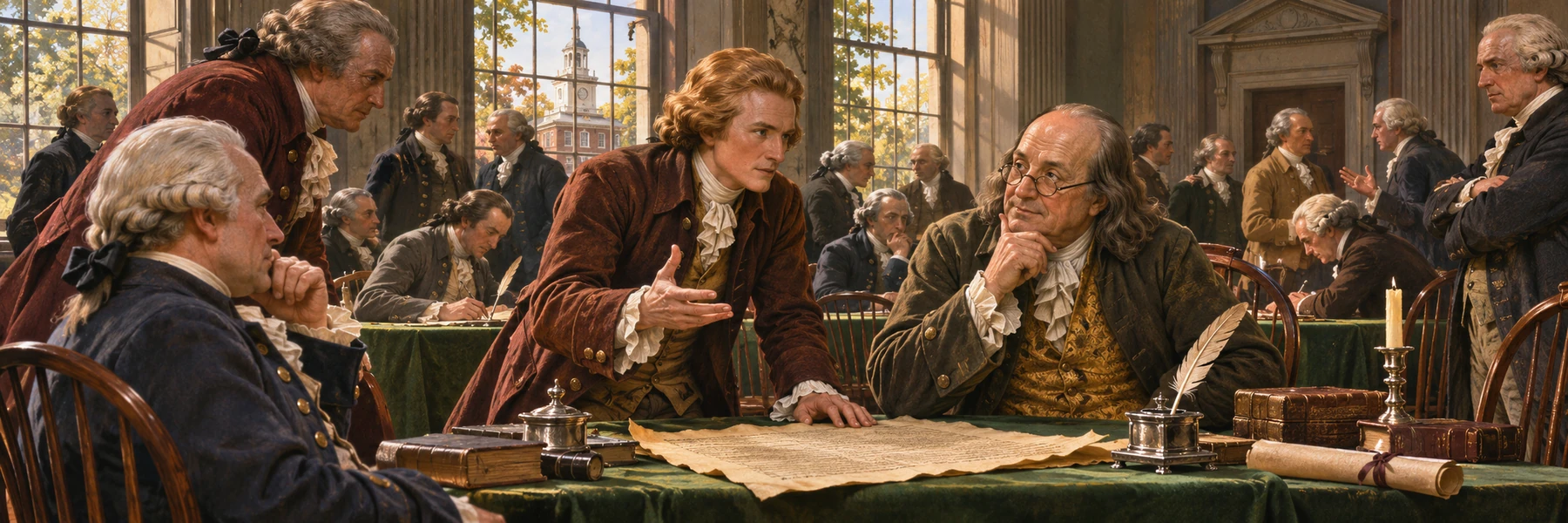
The Declaration of Independence articulated claims about rights and government while the Revolutionary War continued.
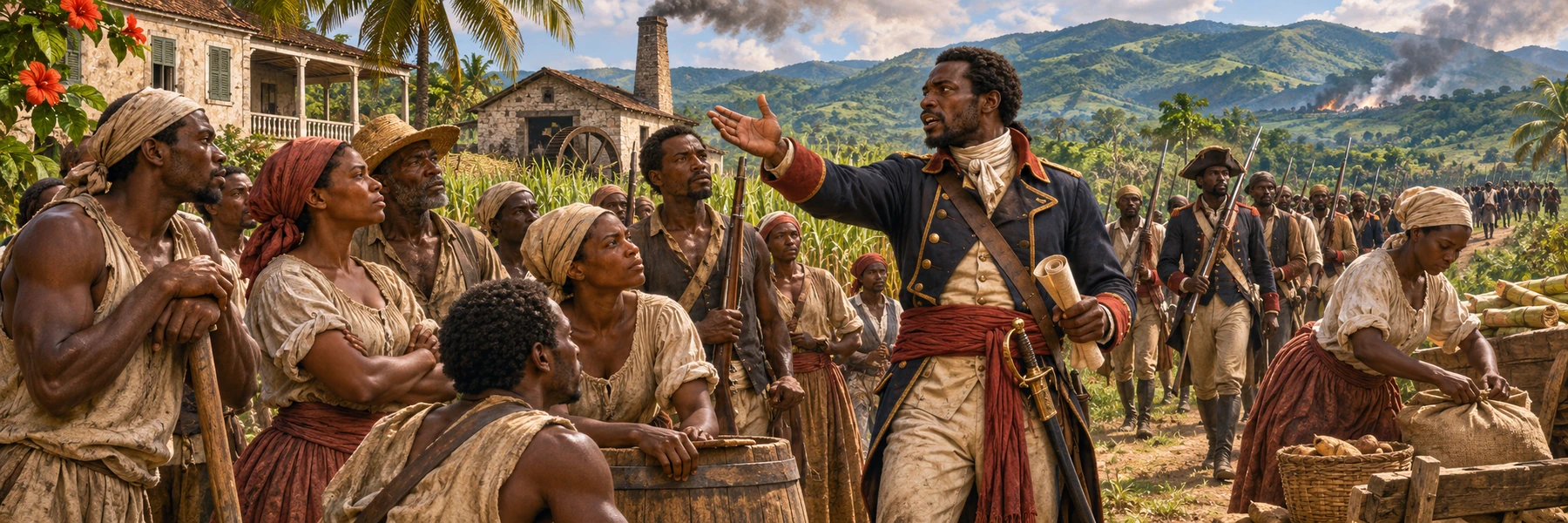
Enslaved and free people in Saint-Domingue overthrew slavery and colonial rule, creating independent Haiti.
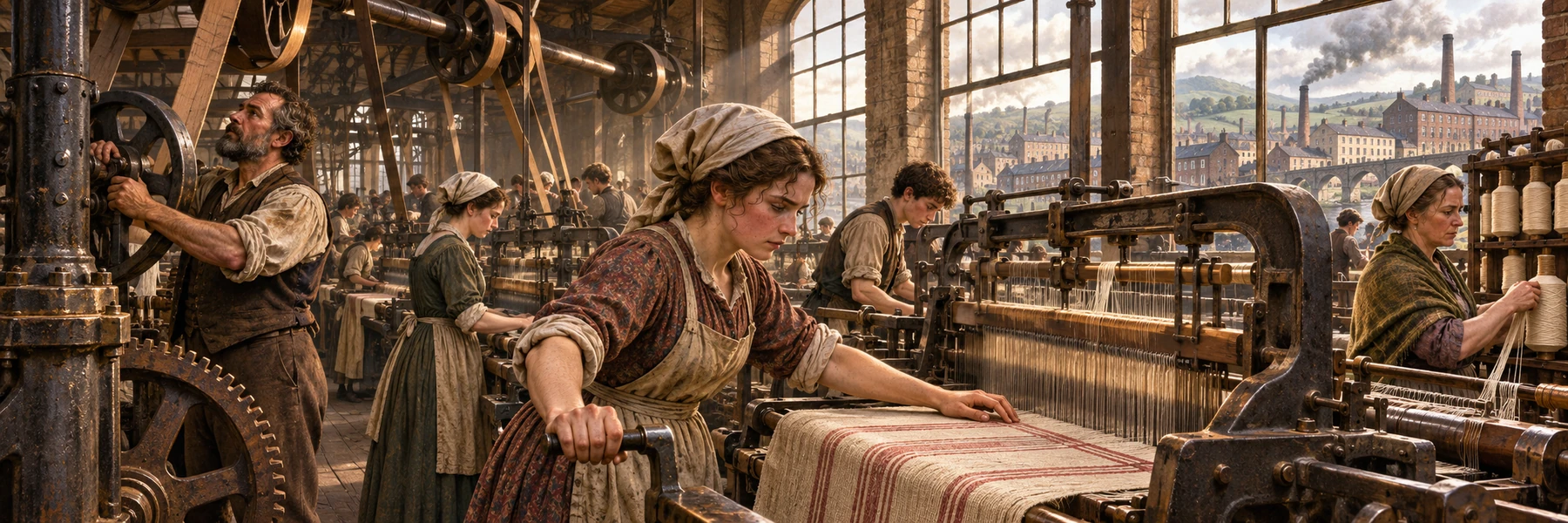
Steam power, factories, railways, and mechanized production changed work, cities, consumption, and the environment.
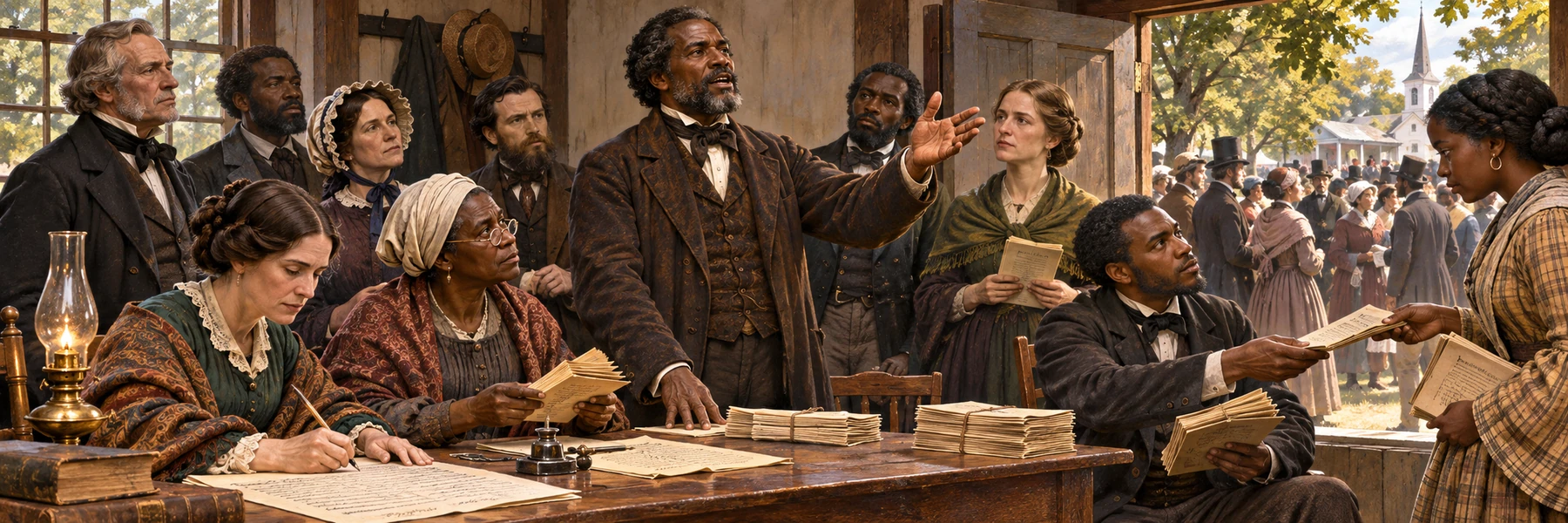
Enslaved people, free Black activists, abolitionists, and political movements challenged slavery across the Atlantic world.
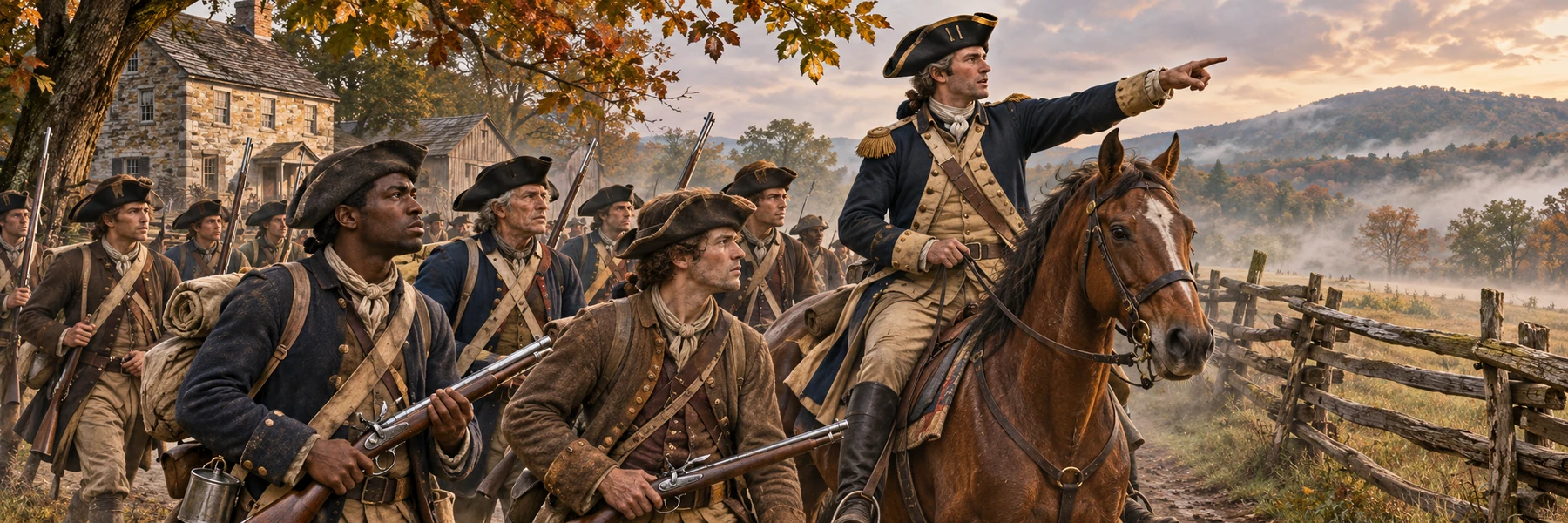
Colonial rebellion against Britain became a war for independence with international dimensions.
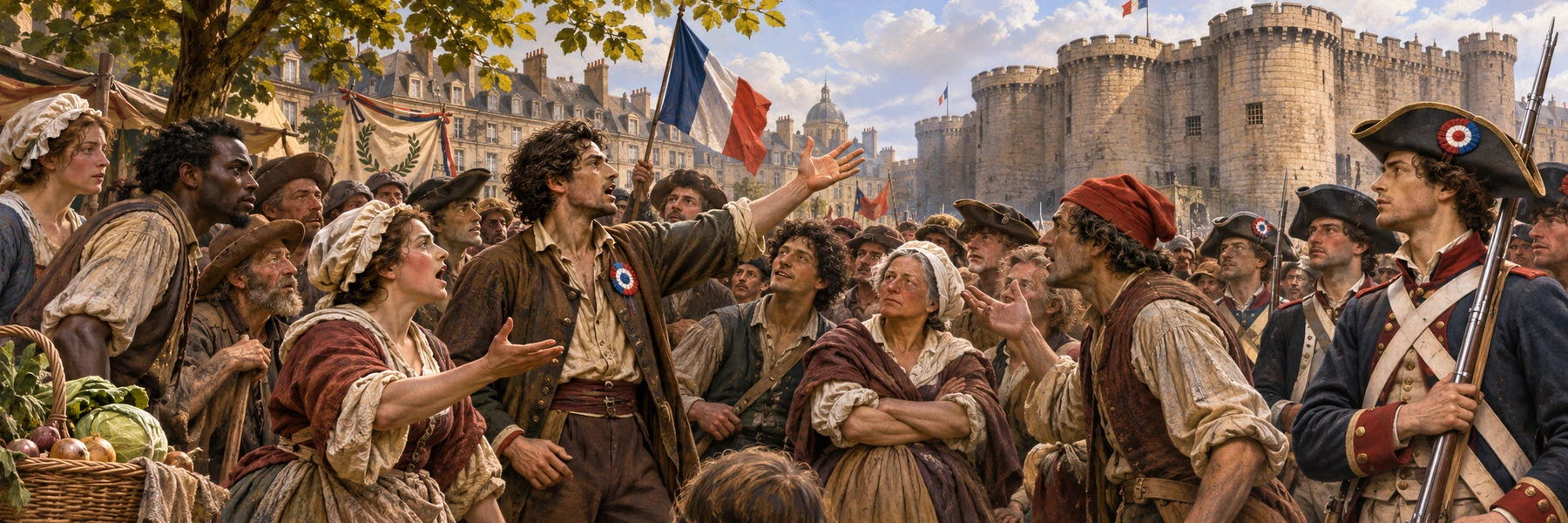
Revolutionary upheaval dismantled old institutions, redefined citizenship, and reshaped European politics.
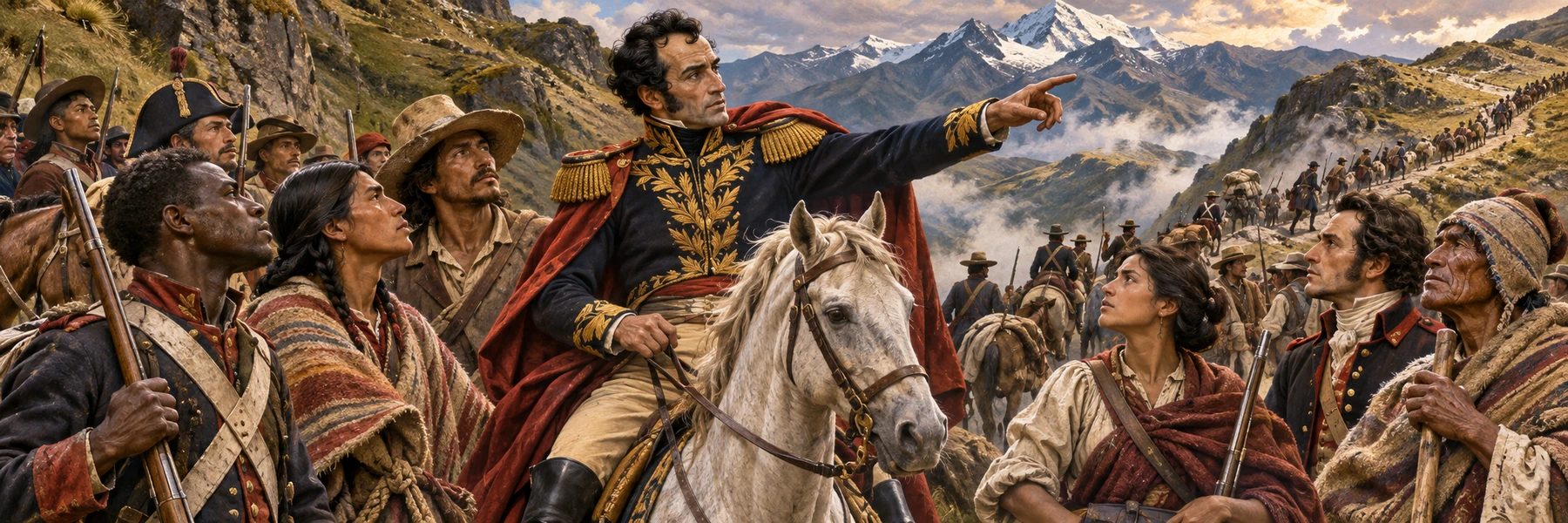
Revolutions and wars ended Spanish and Portuguese colonial rule across much of the Americas.
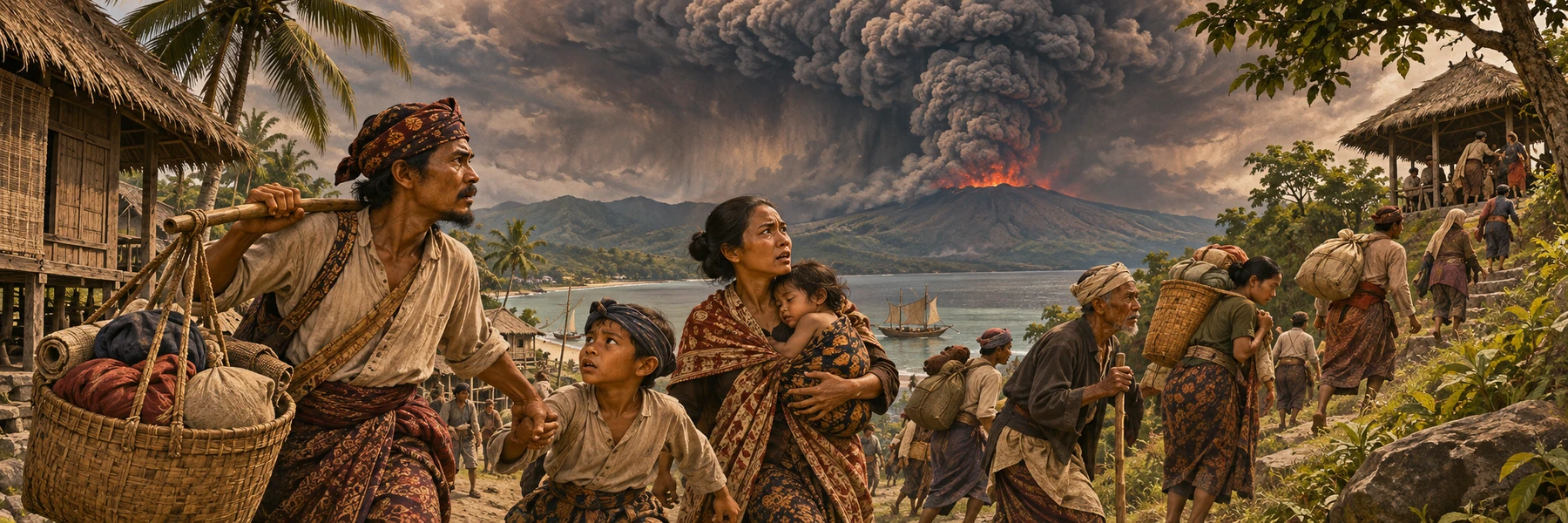
A massive Indonesian eruption cooled global temperatures and contributed to the “Year Without a Summer.”
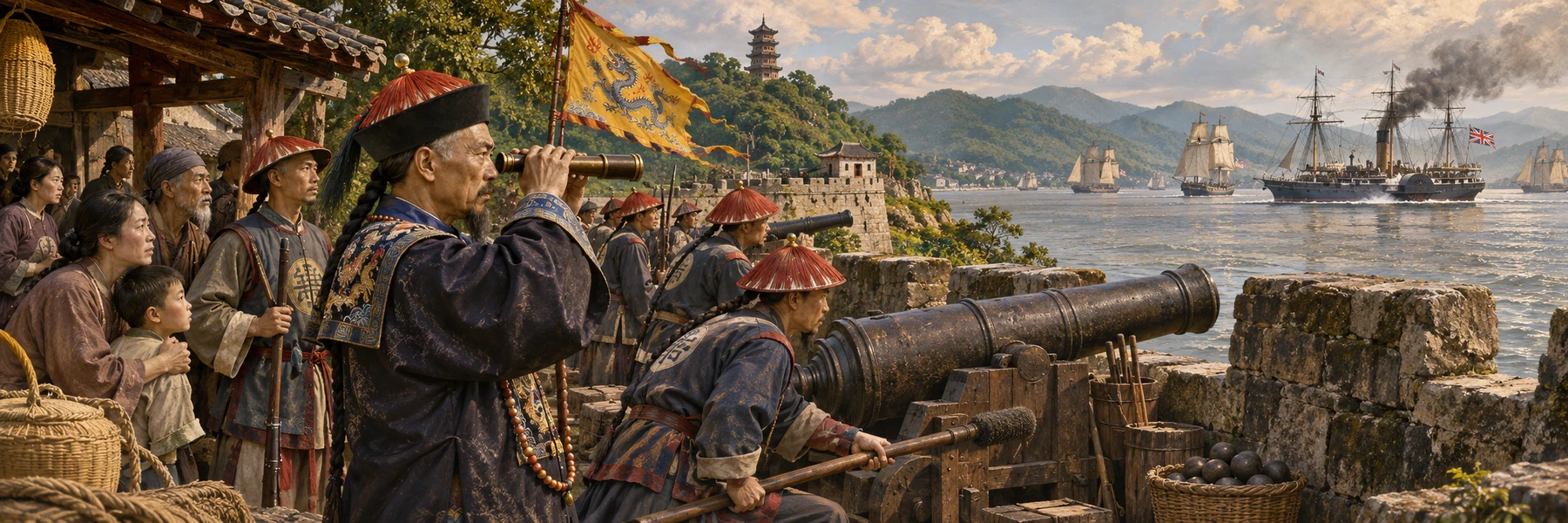
War between Britain and Qing China exposed the coercive power behind nineteenth-century imperial trade.
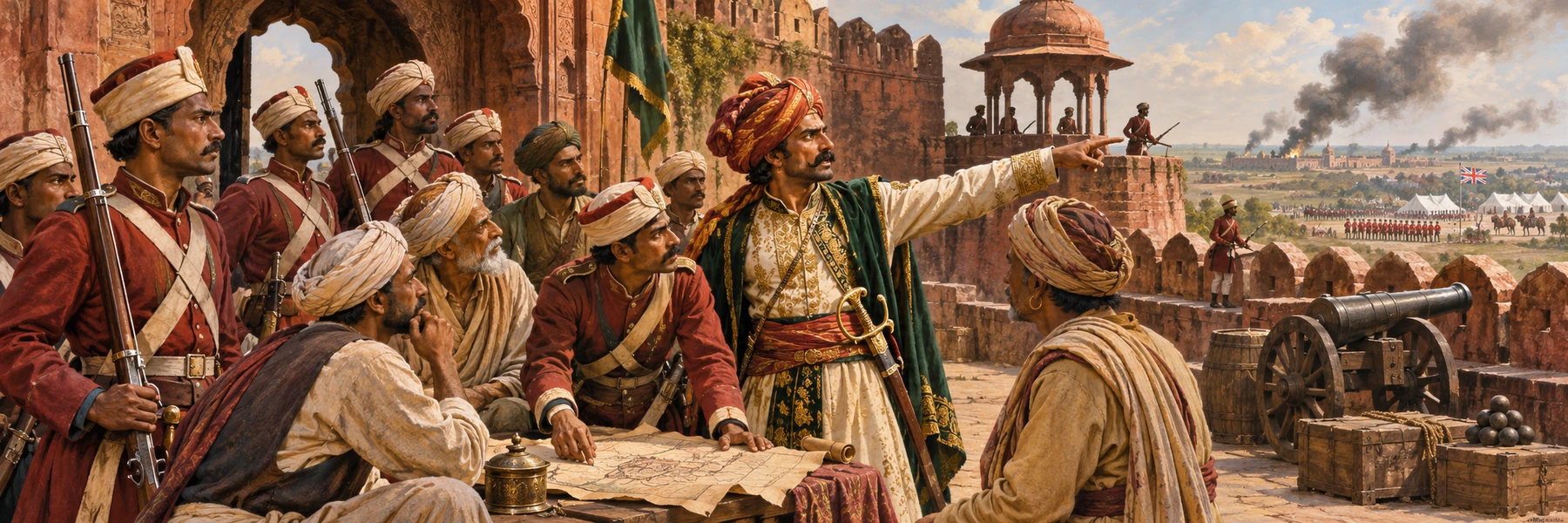
A major uprising against East India Company rule transformed British governance in South Asia.
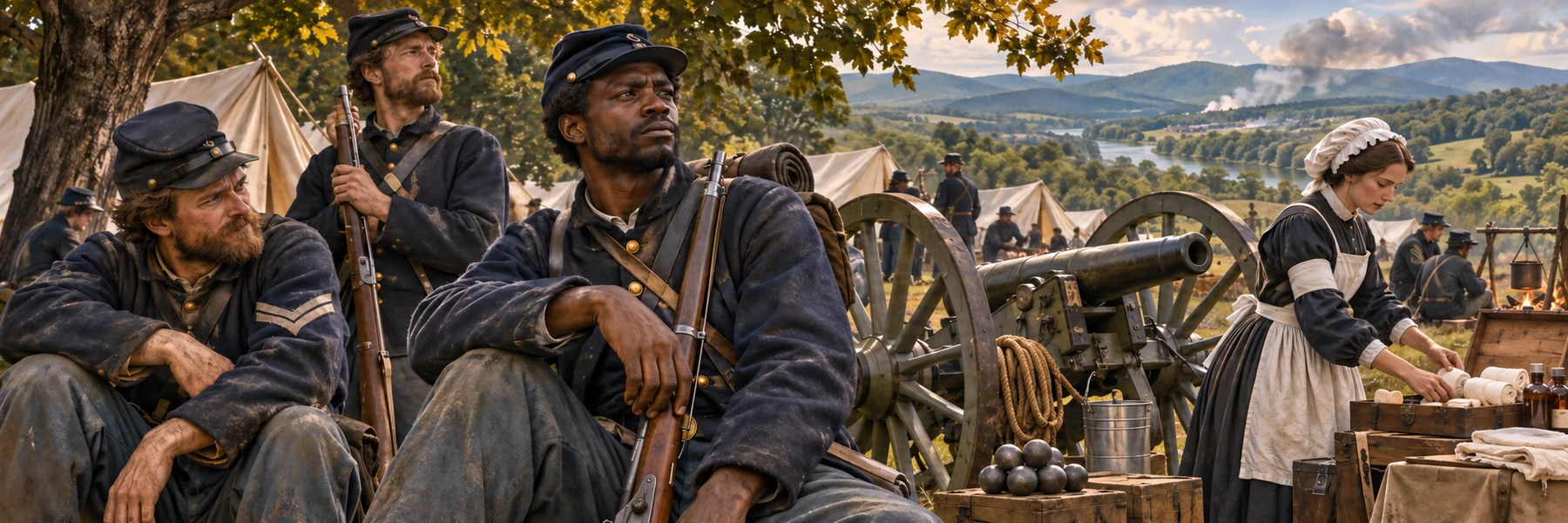
The United States fought a devastating civil war centered on slavery, secession, Union, and emancipation.
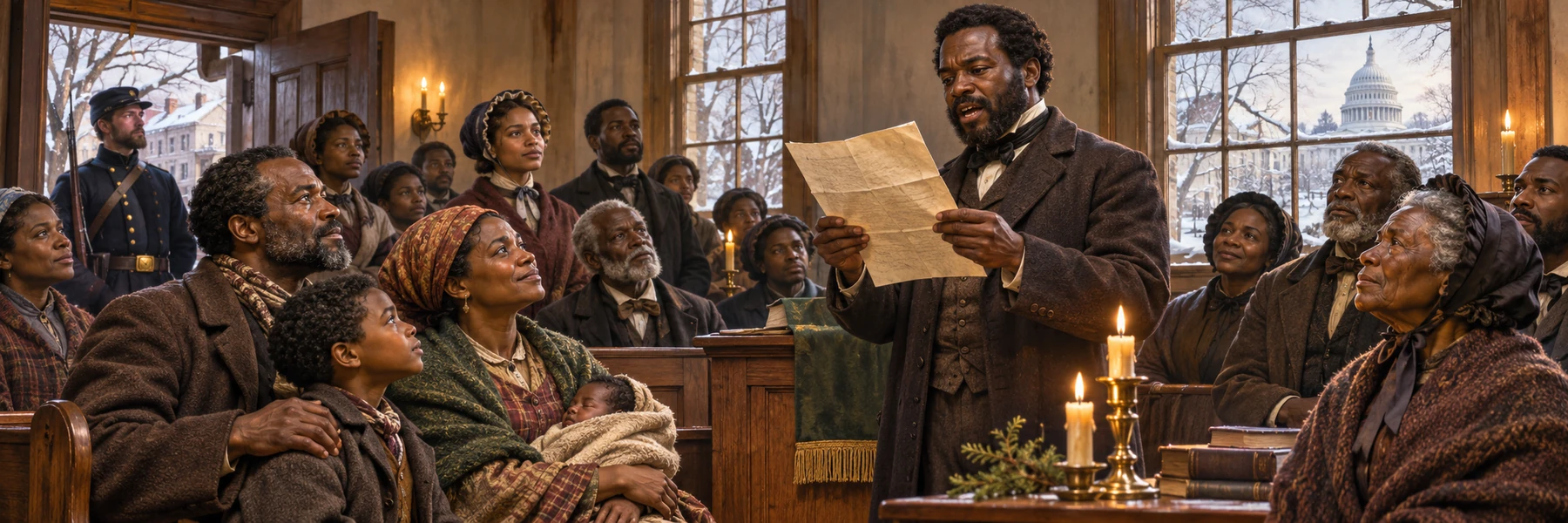
Lincoln’s wartime proclamation declared enslaved people free in areas still in rebellion and authorized Black military service.
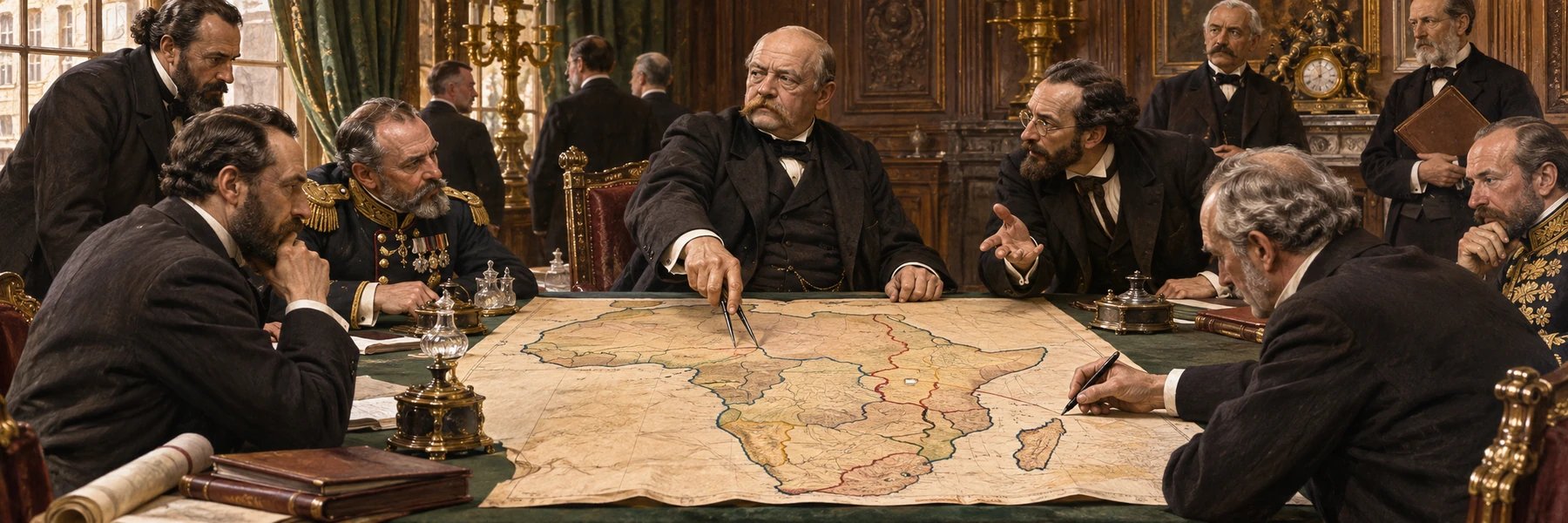
European powers formalized rules for imperial claims while excluding African representatives from the conference.
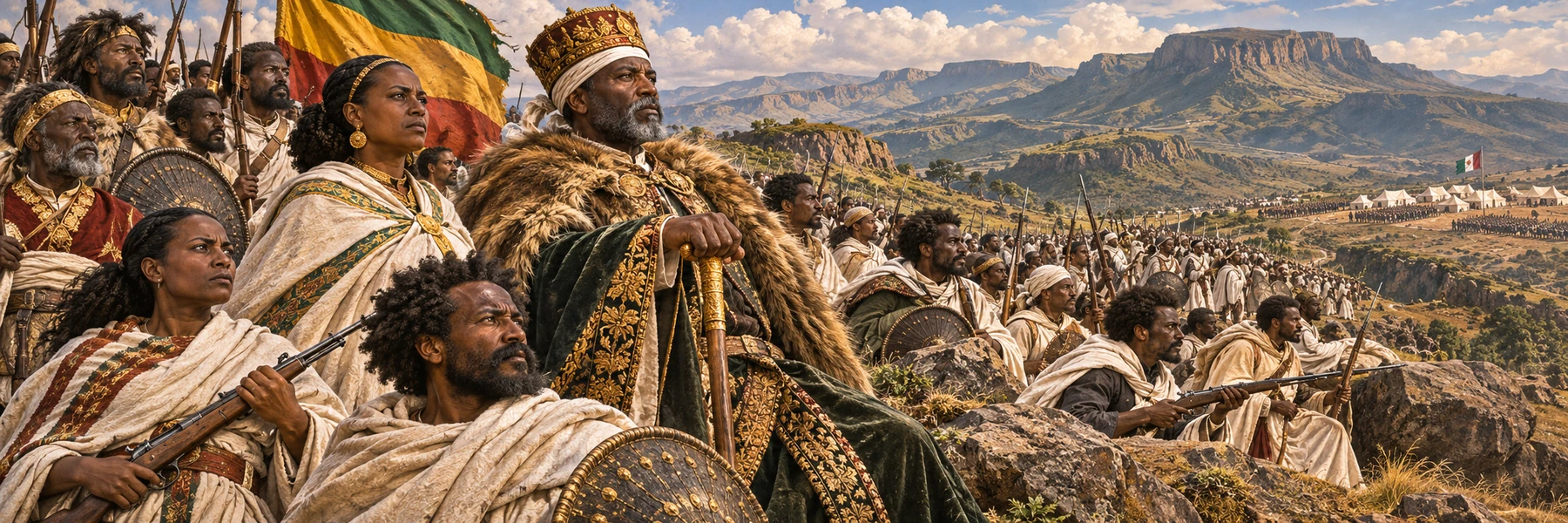
Ethiopian forces defeated an invading Italian army and preserved Ethiopian sovereignty.
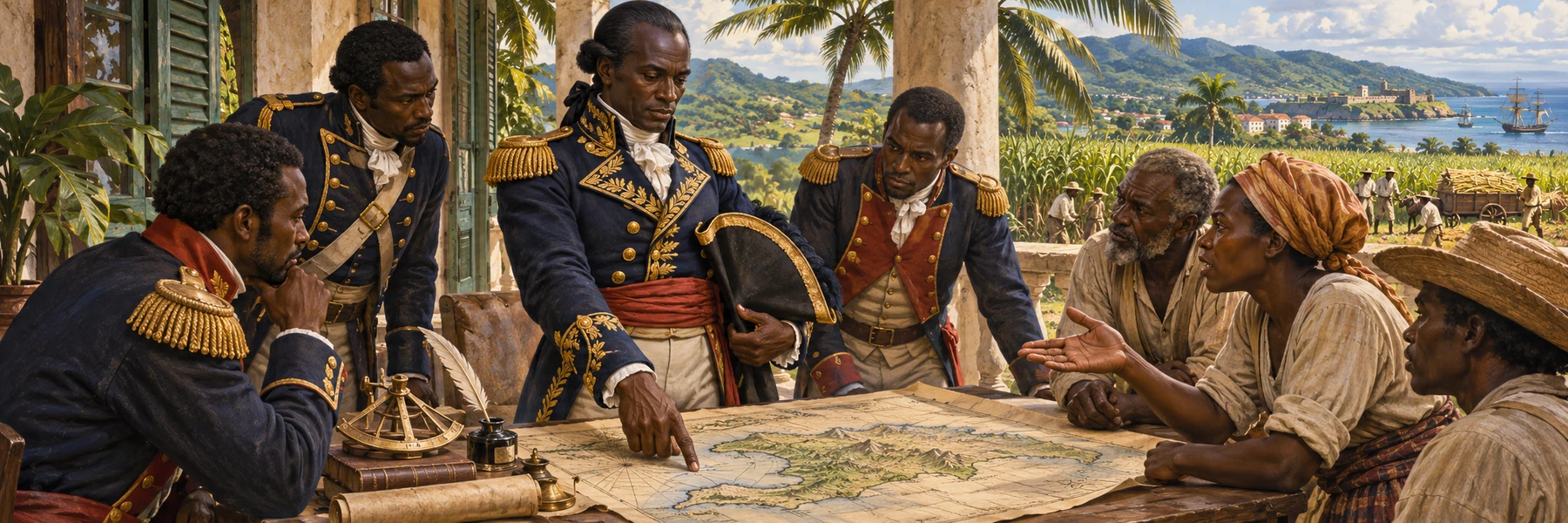
A formerly enslaved leader whose political and military leadership was central to the Haitian Revolution.
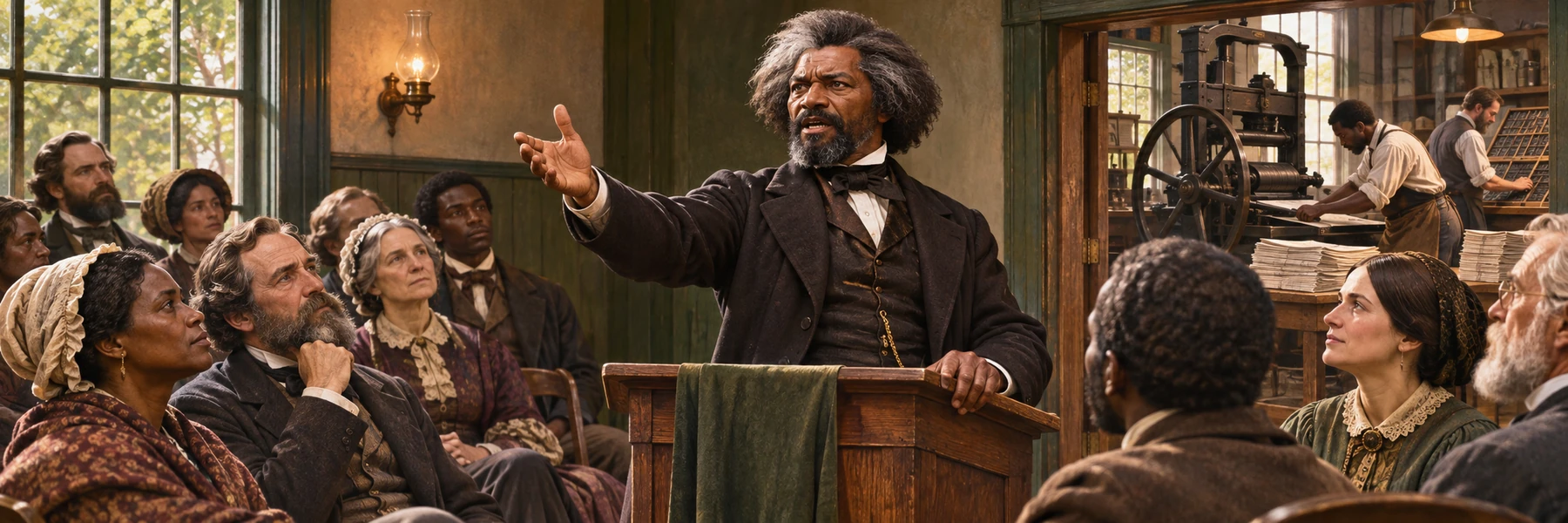
After escaping slavery, Douglass became one of the nineteenth century’s most influential abolitionists, writers, and advocates for equal citizenship.
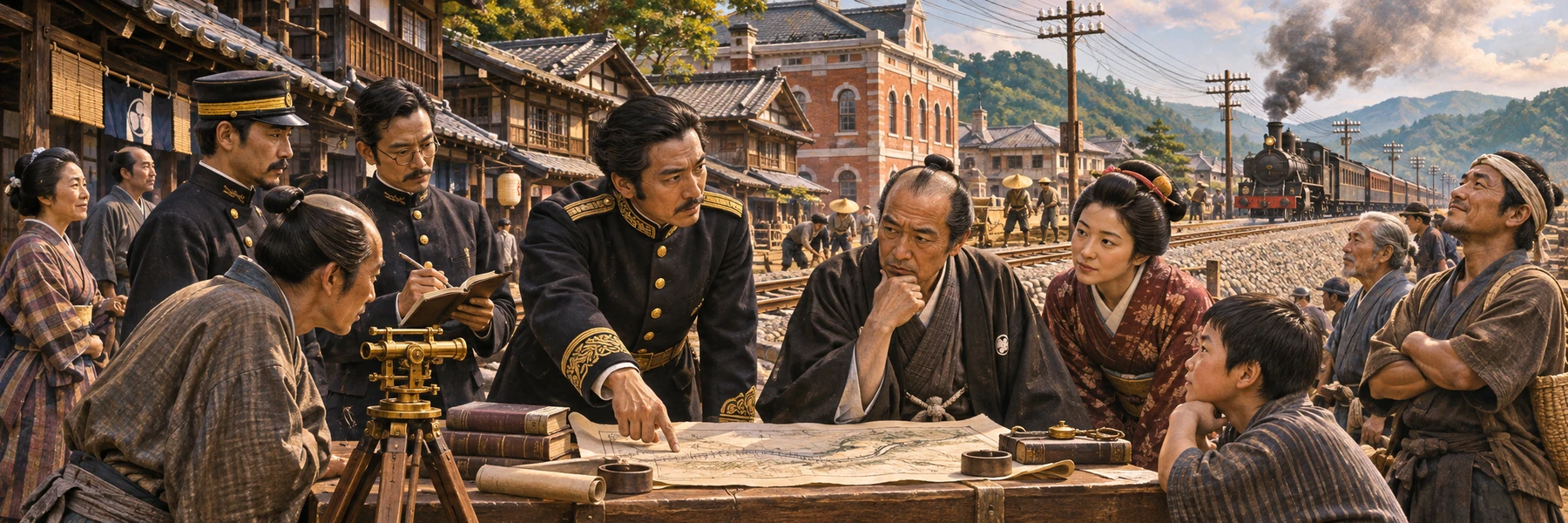
Political change in Japan ended Tokugawa rule and began a rapid state-led transformation.
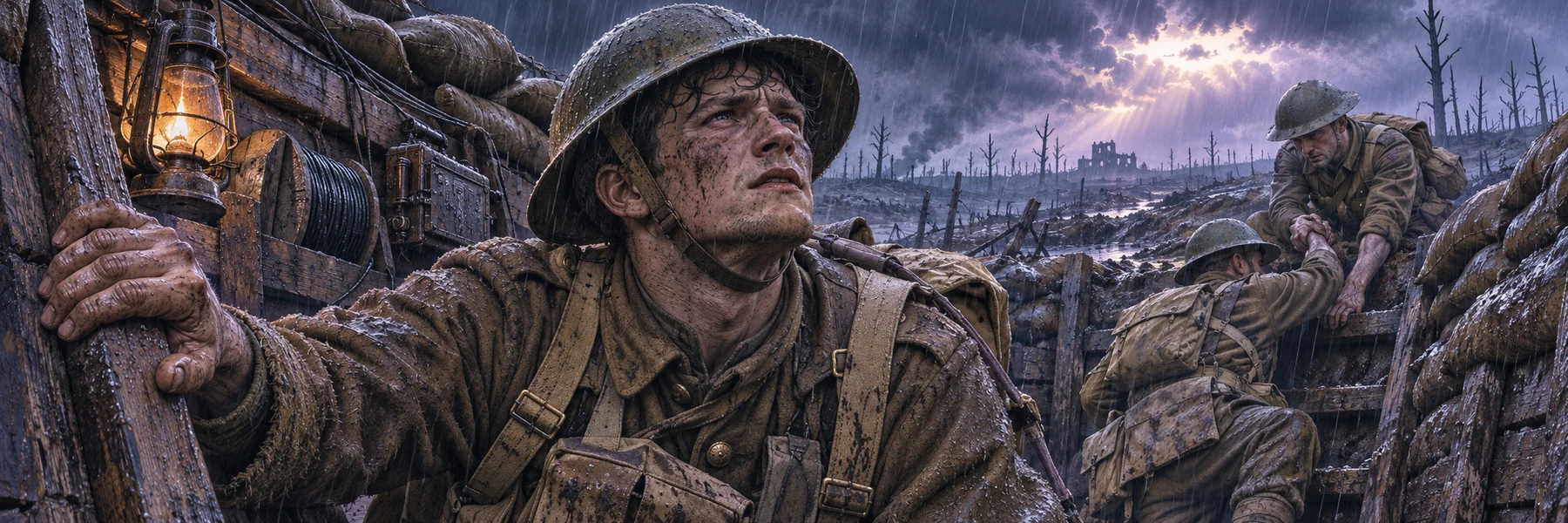
Industrialized warfare devastated Europe and other regions and accelerated political upheaval and imperial change.

A global economic crisis produced mass unemployment, political instability, and competing responses from governments.
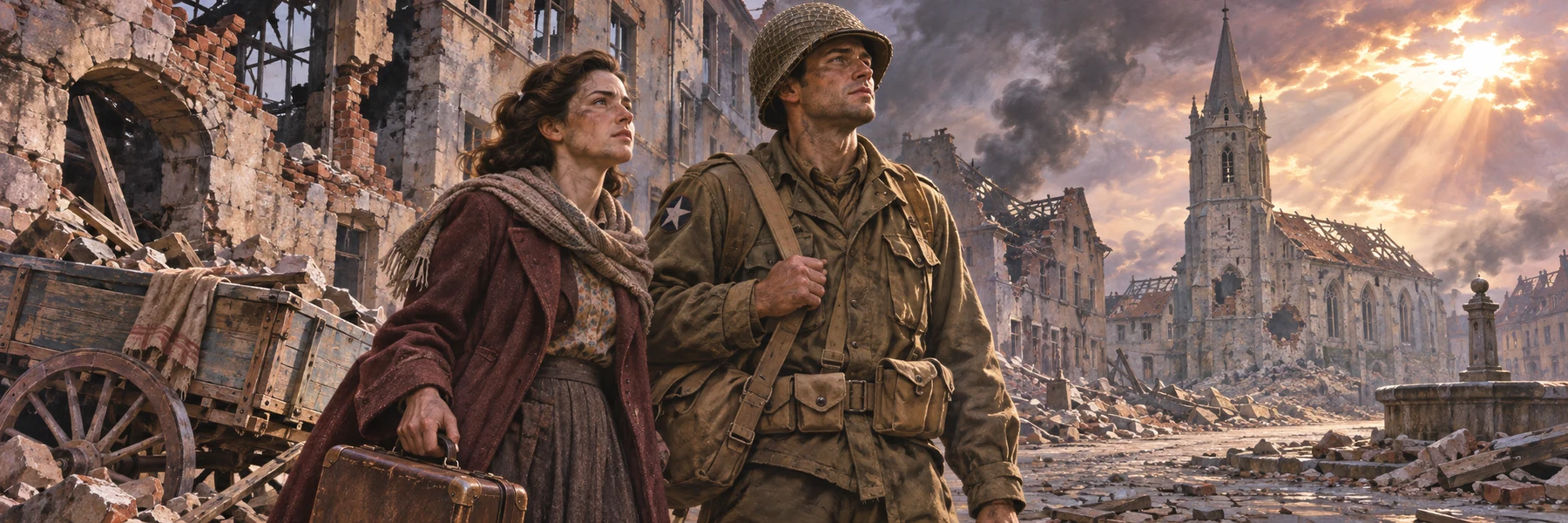
The deadliest war in history transformed states, societies, technologies, borders, and the international order.

Nazi Germany and its collaborators persecuted and murdered six million Jews and millions of other victims.
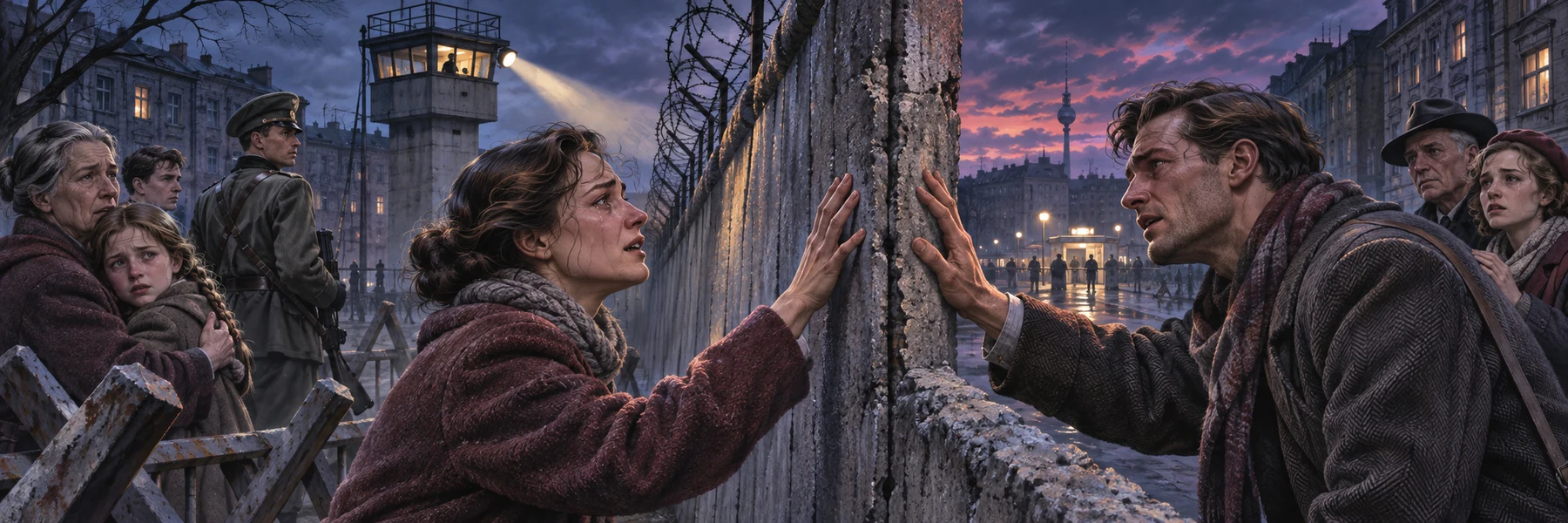
U.S.–Soviet rivalry shaped alliances, proxy wars, nuclear strategy, space exploration, and politics around the world.
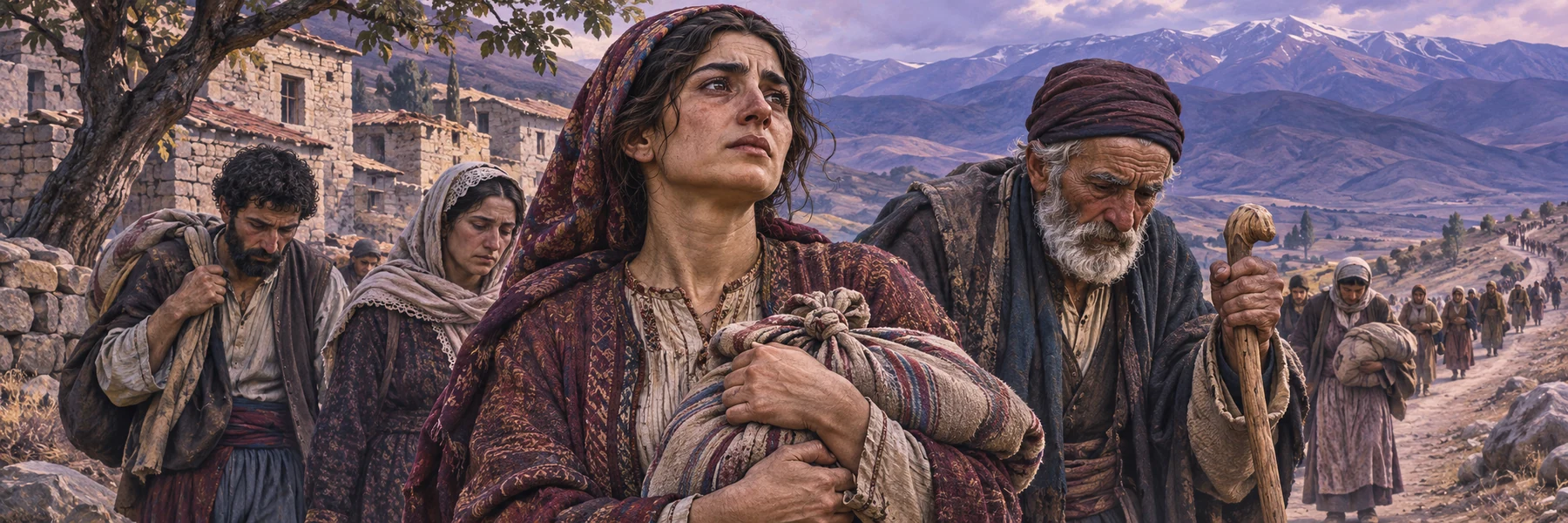
Ottoman authorities carried out mass deportations and killings of Armenians during World War I.
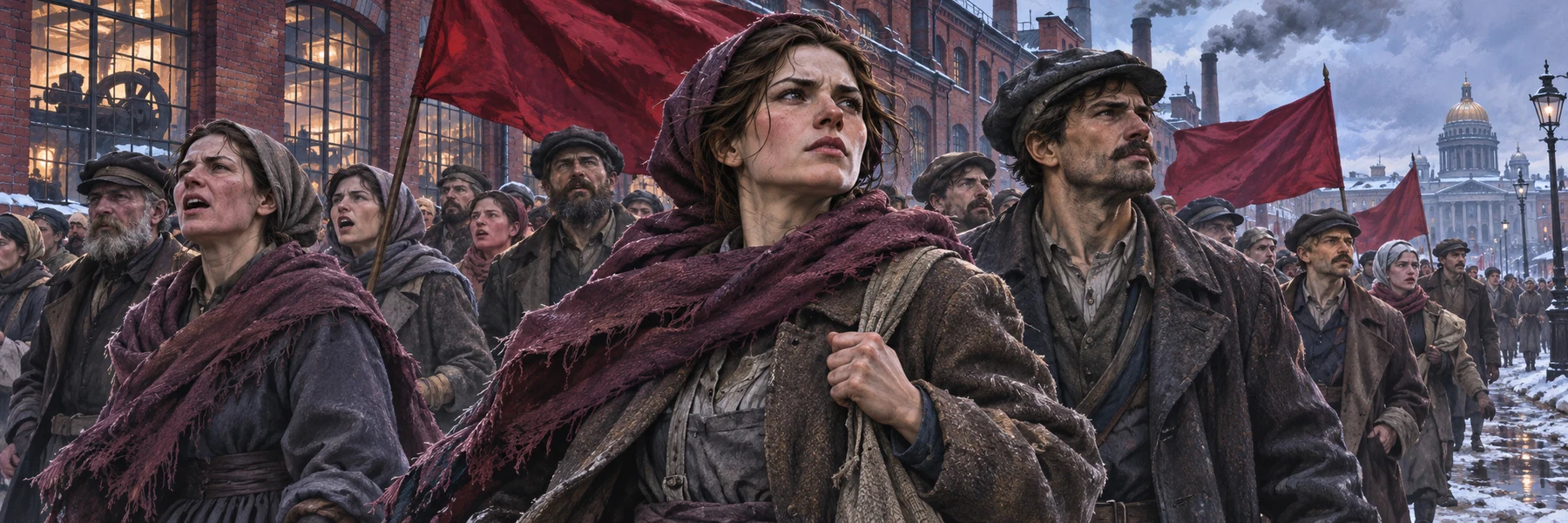
Revolution ended imperial rule and eventually brought the Bolsheviks to power.
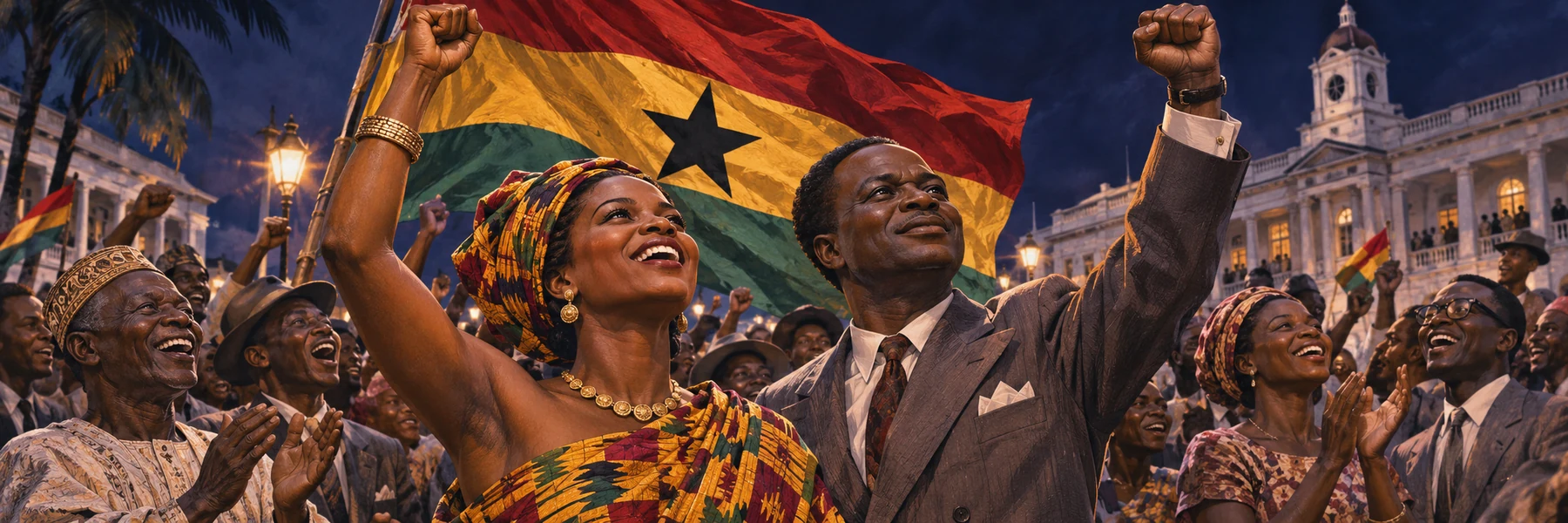
Ghana became the first sub-Saharan African colony to gain independence from European rule in the postwar wave of decolonization.
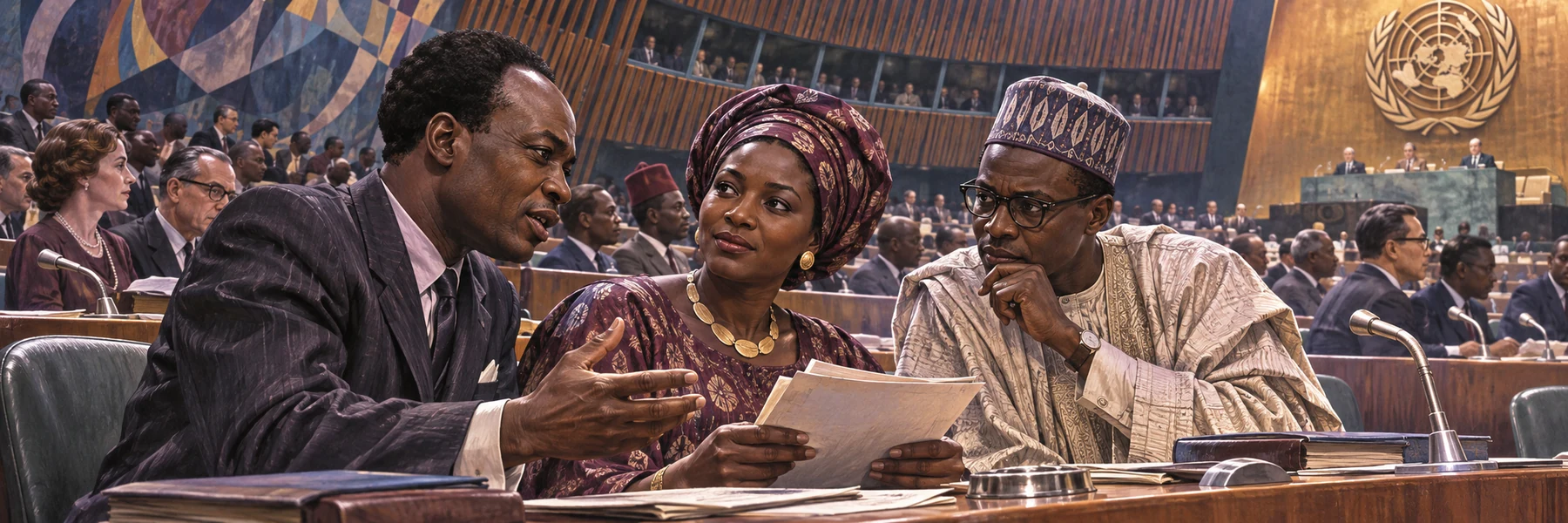
Seventeen African countries gained independence in 1960, dramatically reshaping the United Nations and world politics.
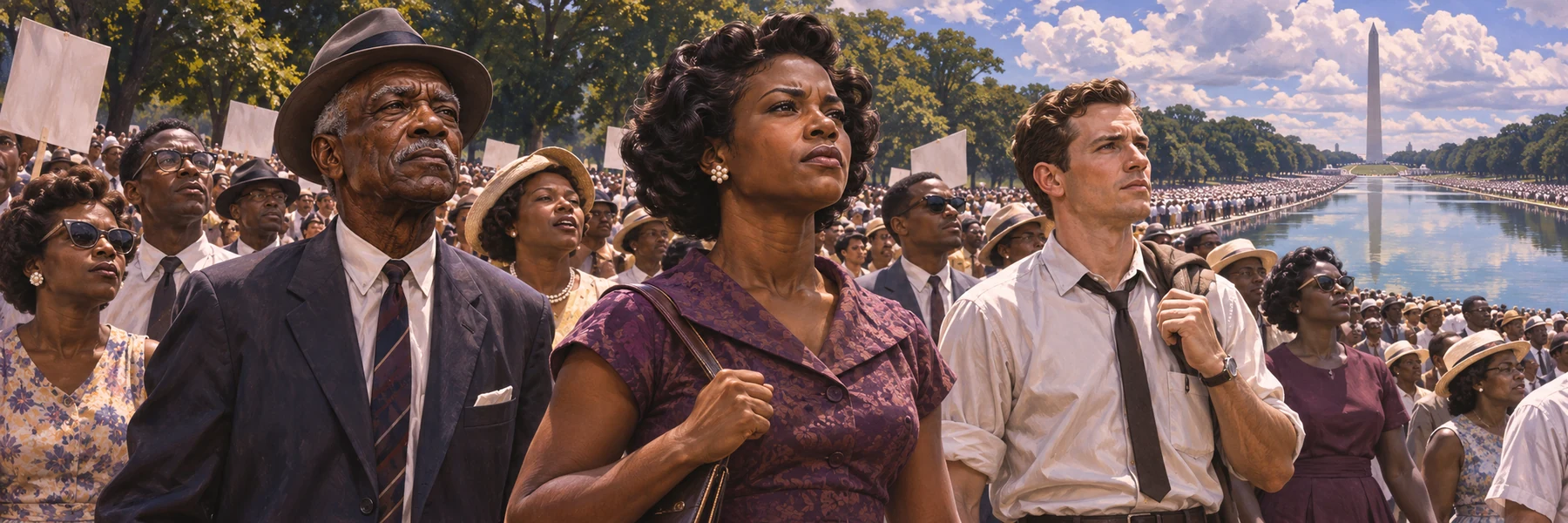
Hundreds of thousands gathered in Washington, D.C., demanding jobs, freedom, and civil rights.
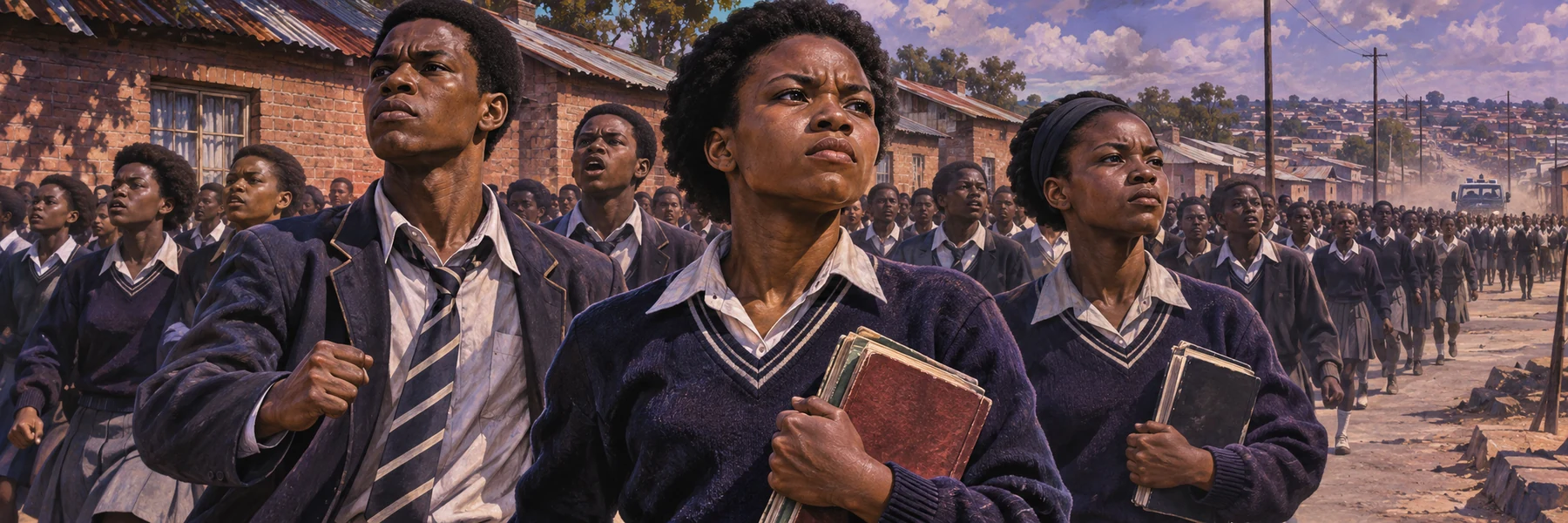
Black South African students protested apartheid education, and police violence triggered nationwide resistance.
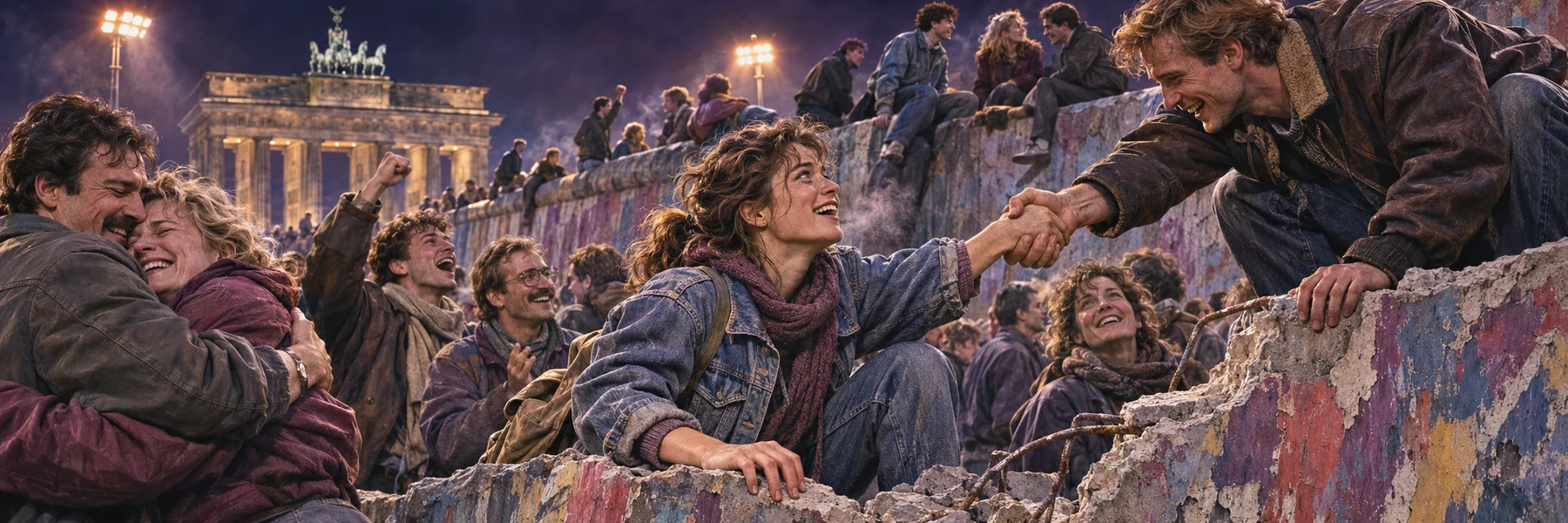
Popular pressure and political change opened the Berlin Wall and accelerated the collapse of communist governments in Eastern Europe.
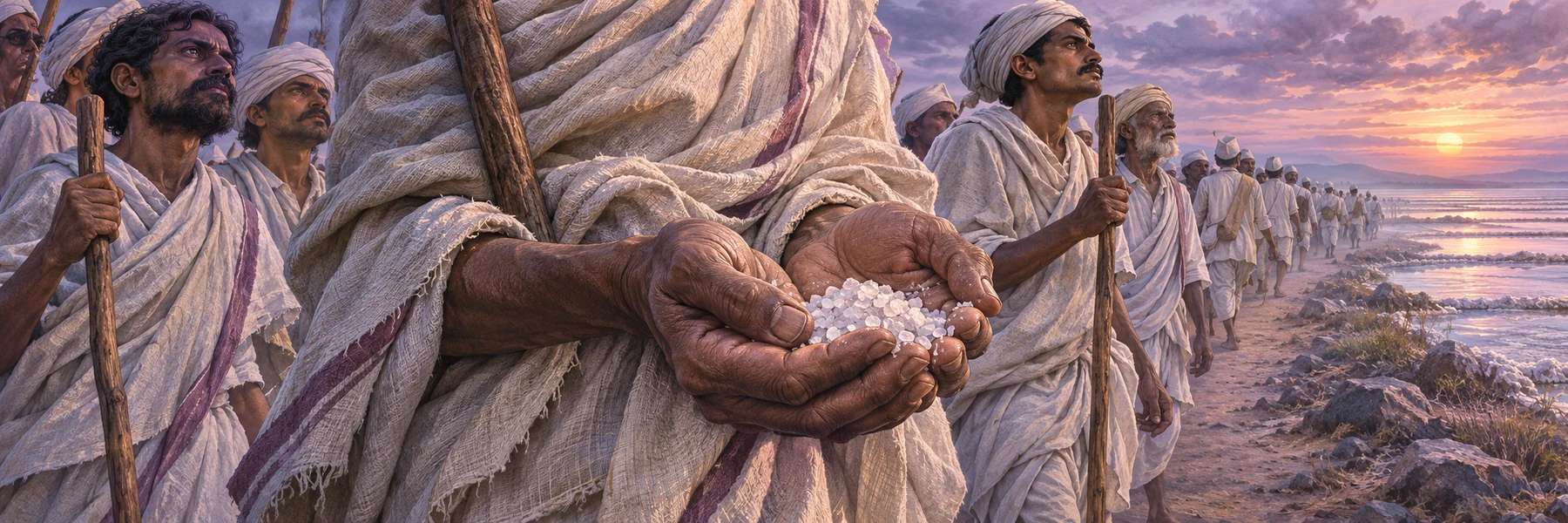
Gandhi developed mass nonviolent resistance strategies that shaped India’s independence movement and influenced later civil-rights campaigns.
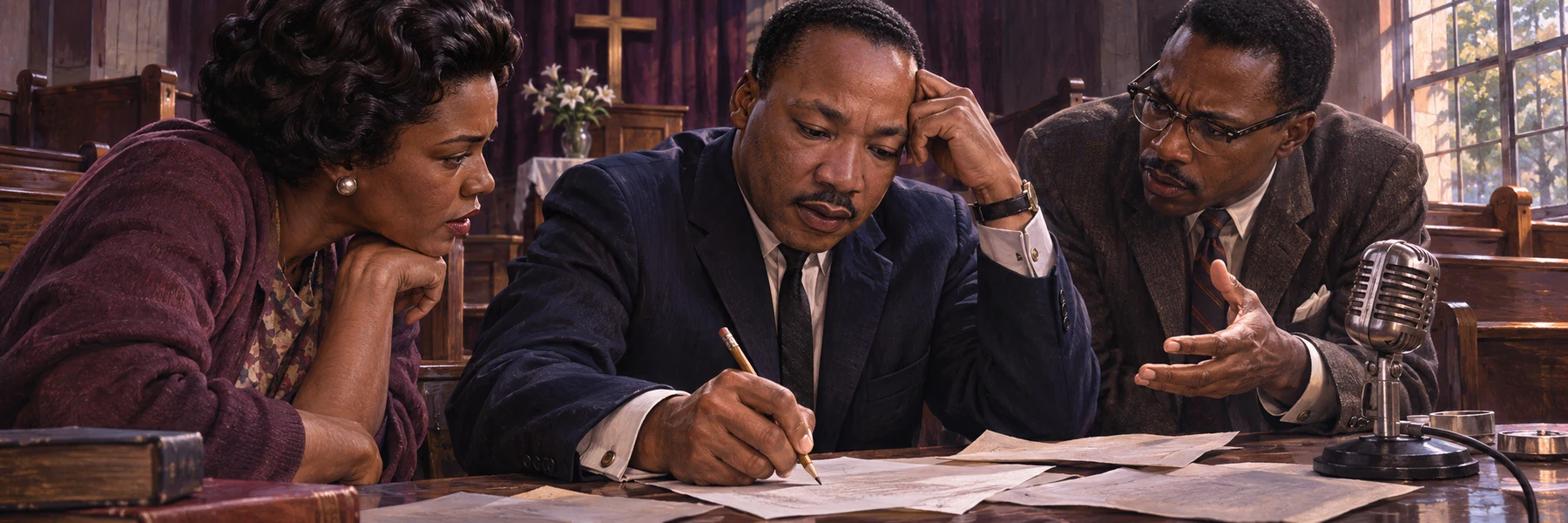
A Baptist minister and civil-rights leader who helped mobilize nonviolent campaigns against segregation and racial injustice in the United States.

Black writers, musicians, artists, and intellectuals transformed American culture and reshaped global ideas about Black identity and modernity.
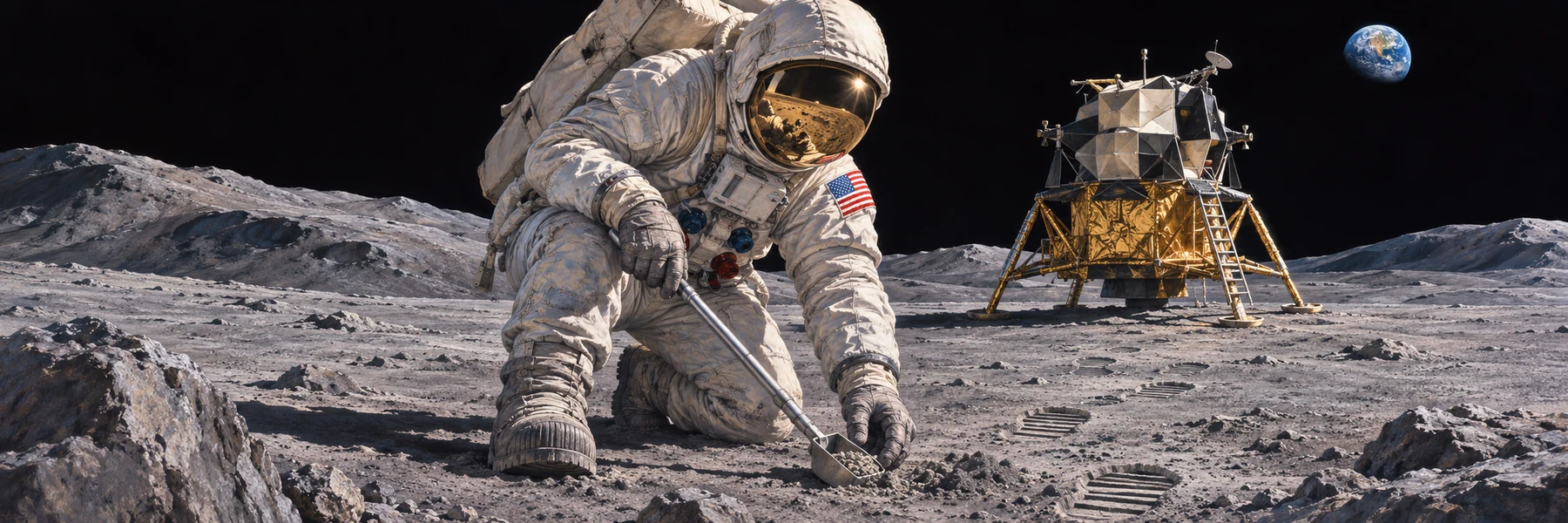
Humans landed on the Moon for the first time during NASA's Apollo 11 mission.

Internet access and the World Wide Web increasingly transformed communication, commerce, education, and public life.
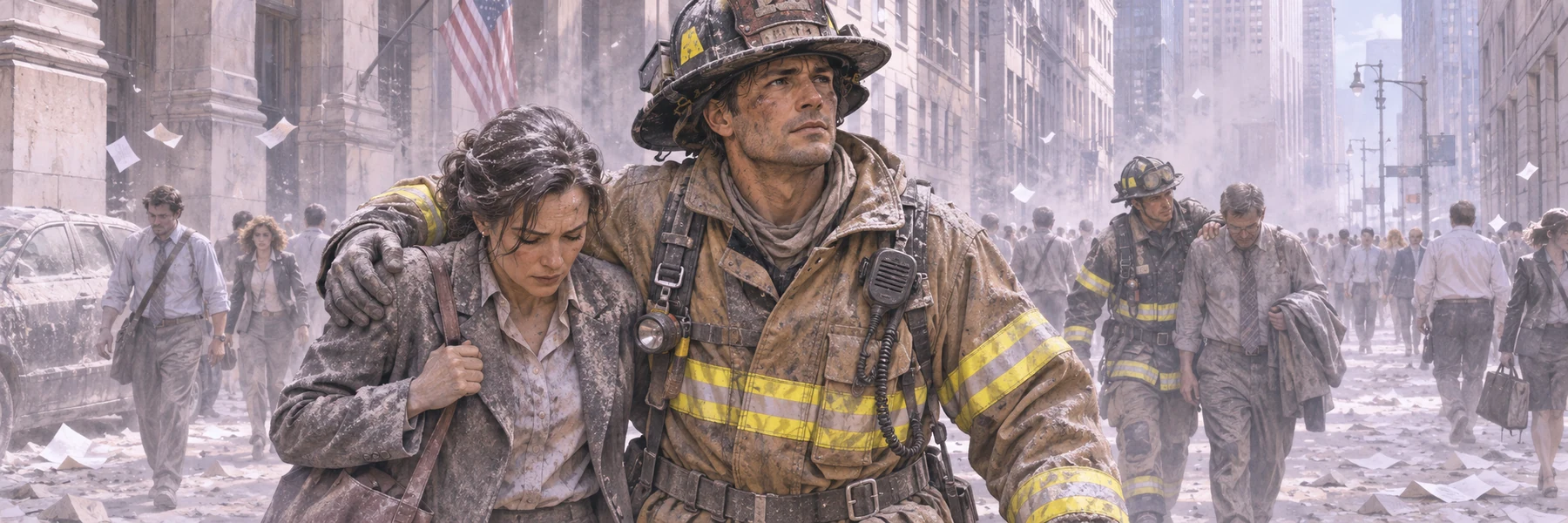
Coordinated terrorist attacks in the United States killed nearly 3,000 people and profoundly affected U.S. and global policy.

Smartphones and social platforms altered news, relationships, organizing, entertainment, and public debate.
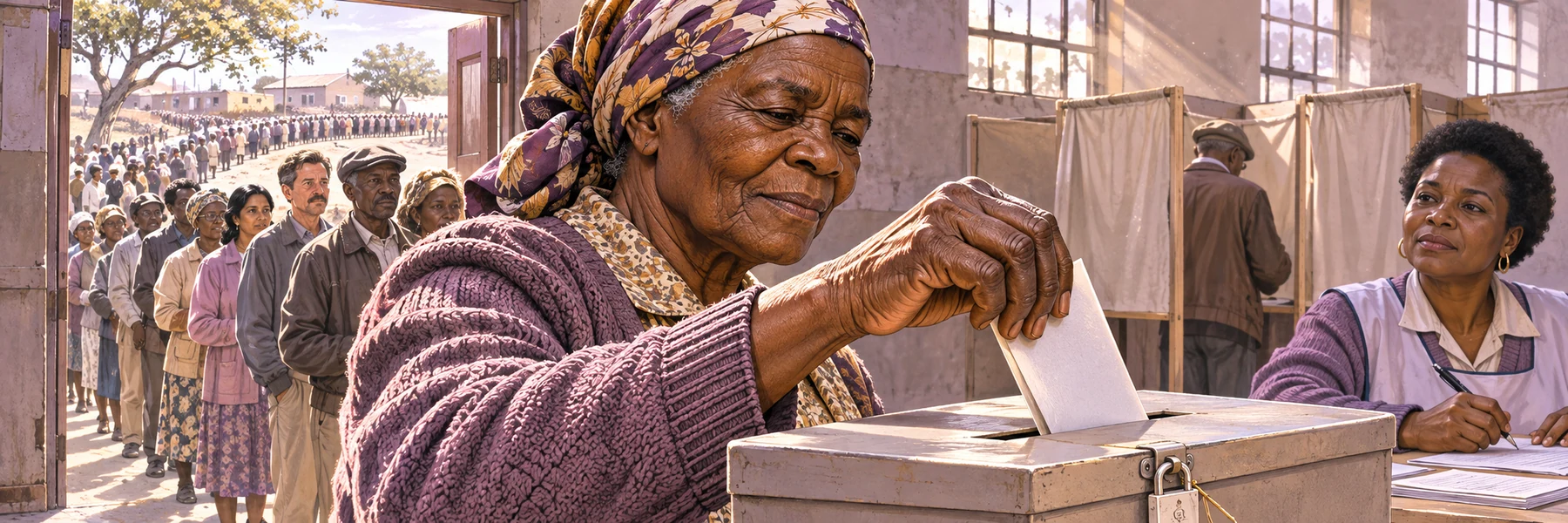
Millions voted in the election that ended formal apartheid rule and brought Nelson Mandela to the presidency.

Failures in housing finance and interconnected credit markets triggered a severe global recession.
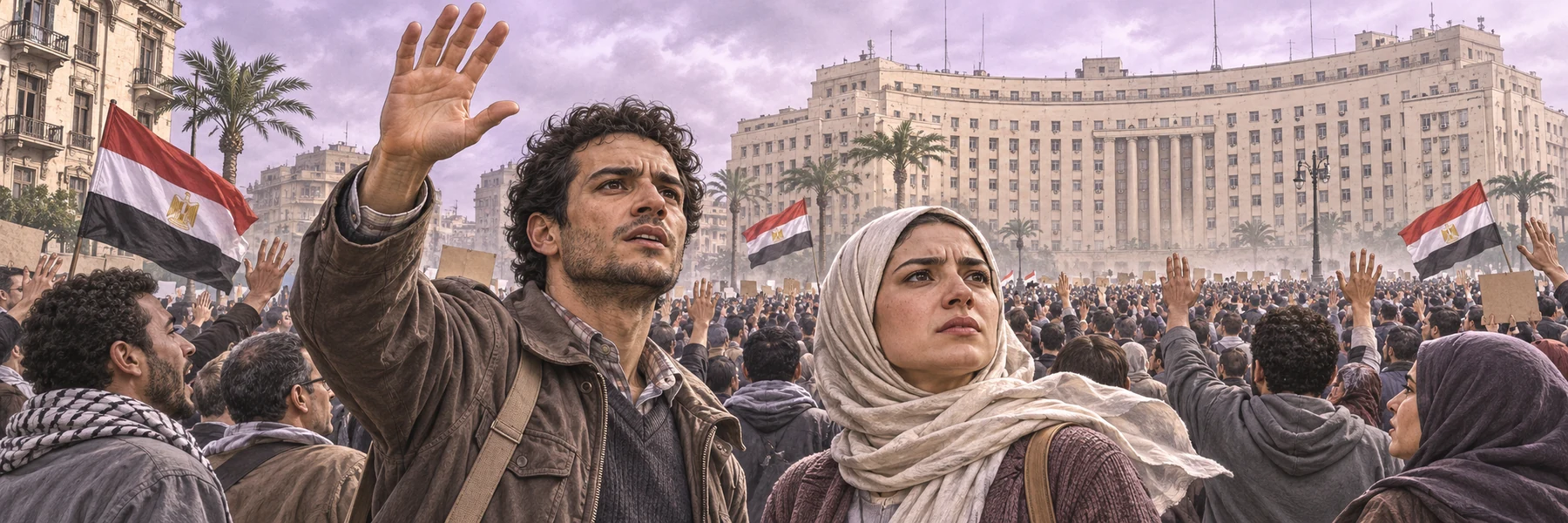
Protest movements challenged governments across North Africa and the Middle East, producing very different outcomes.

Nearly every nation adopted a framework to reduce greenhouse-gas emissions and strengthen climate adaptation.
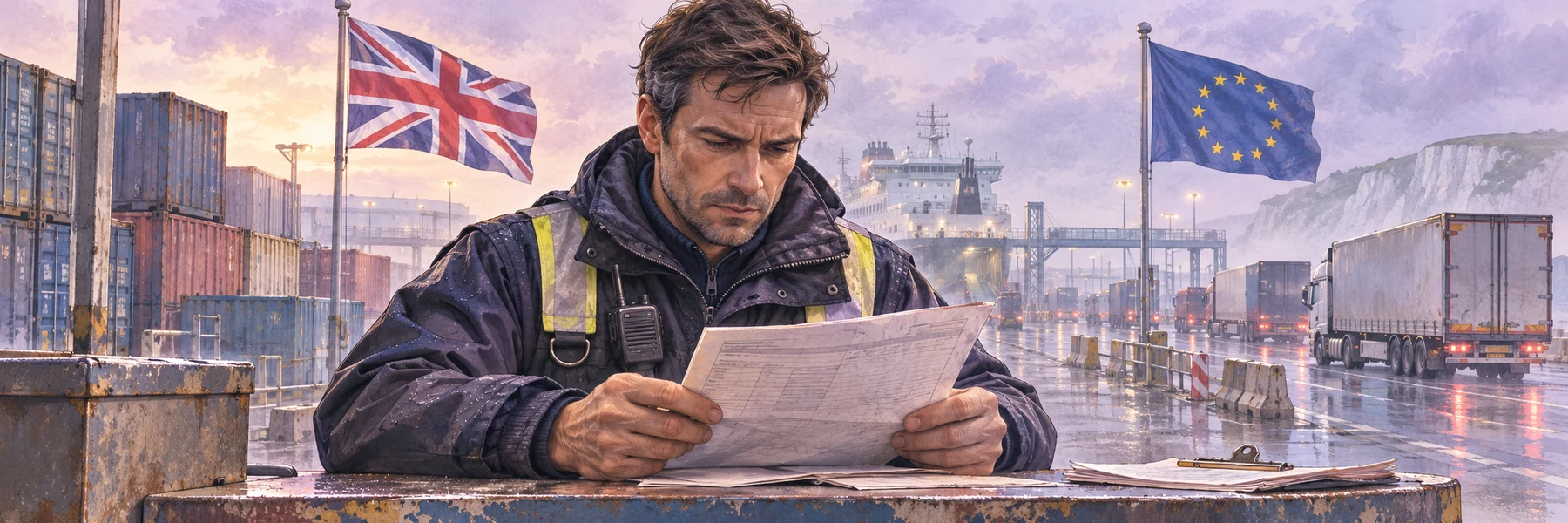
The United Kingdom voted to leave the European Union and formally exited in 2020.

A novel coronavirus spread globally, causing mass illness and death and disrupting everyday life, economies, education, and politics.
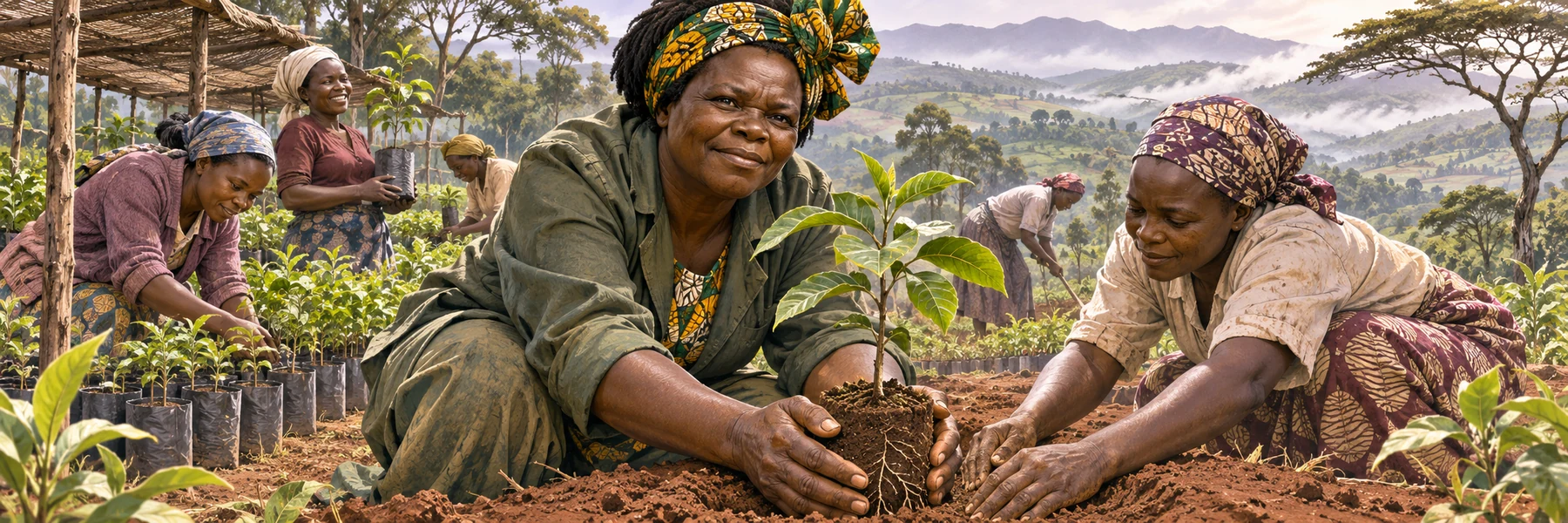
The Kenyan environmentalist and democracy advocate linked tree planting, women’s leadership, human rights, and sustainable development.

A proposal at CERN evolved into the World Wide Web, transforming how people publish, link, and access information.

AI systems increasingly influence work, learning, medicine, logistics, creativity, research, and public policy.

Public-facing generative AI systems rapidly expanded the use of machine-generated text, images, audio, and code.
History is not simply a list of dates. Ask what happened, what changed, whose perspectives survive, and what evidence supports a claim.